Main content starts here

Why Choose save office

We help you do business in America.

A company with a thousand addresses can't tell you much about any one of them. We have seven, and we publish what USPS says about each one. We write the guides ourselves and correct them when the rules change.

Why Choose save office

We help you do business in America.

Most companies in this business tell you how many addresses they have. That number doesn't tell you whether one of them will work for you. So we publish what does, and you can check it.

01

Privacy is the product, and we have the numbers

We went through business filings in California and Florida. In both states, about two out of three companies had the owner's home address in the public record, and many of them had paid a registered agent. We publish the USPS record for all seven of our own addresses too, including the two registered as mail receiving agencies. A company selling privacy should show its own first.

An address changes which address is public. Whether your name appears is set by your state's filing rules. We sell an address, not anonymity.

02

We build what you need to start a US company

Three free checkers and 212 guides, all made here. When a rule changes we go back and correct the guide instead of leaving it up. Our address checker works on other companies' addresses as well as ours.

03

The Approval Promise

A bank or a state agency can turn down your application because of the address on it. The fine print in this business usually leaves that cost with you. We refund everything you paid for the address instead. And starting with Silicon Valley, we handle the mail ourselves.

If a government agency or bank denies your registration or account because of the address or documents we provided, email us the written denial letter within 30 days and we'll refund 100% of what you paid for that address.

Every plan includes
  • A commercial street address for the business
  • Mail scanned, forwarded, and shredded
  • A business phone number
  • Meeting room and coworking access

What happens when you borrow an address instead of getting your own. See all our videos

The tools we built

We build our own software.

Most companies in this business buy their mail software from someone else. We write ours: the three checkers below, the signup, the account pages. That is also why the price stays low. What we cut was office overhead and a sales team, not mail handling.

The checker in 30 seconds.

Run by us

We run our Silicon Valley location ourselves.

Complaints in this business are always the same: mail that sat for a week, a scan that never arrived, a package thrown out. They happen when nobody at the company you paid can walk over and look at your mail. Silicon Valley is the location we run ourselves, so we can. Here is what we will do there.

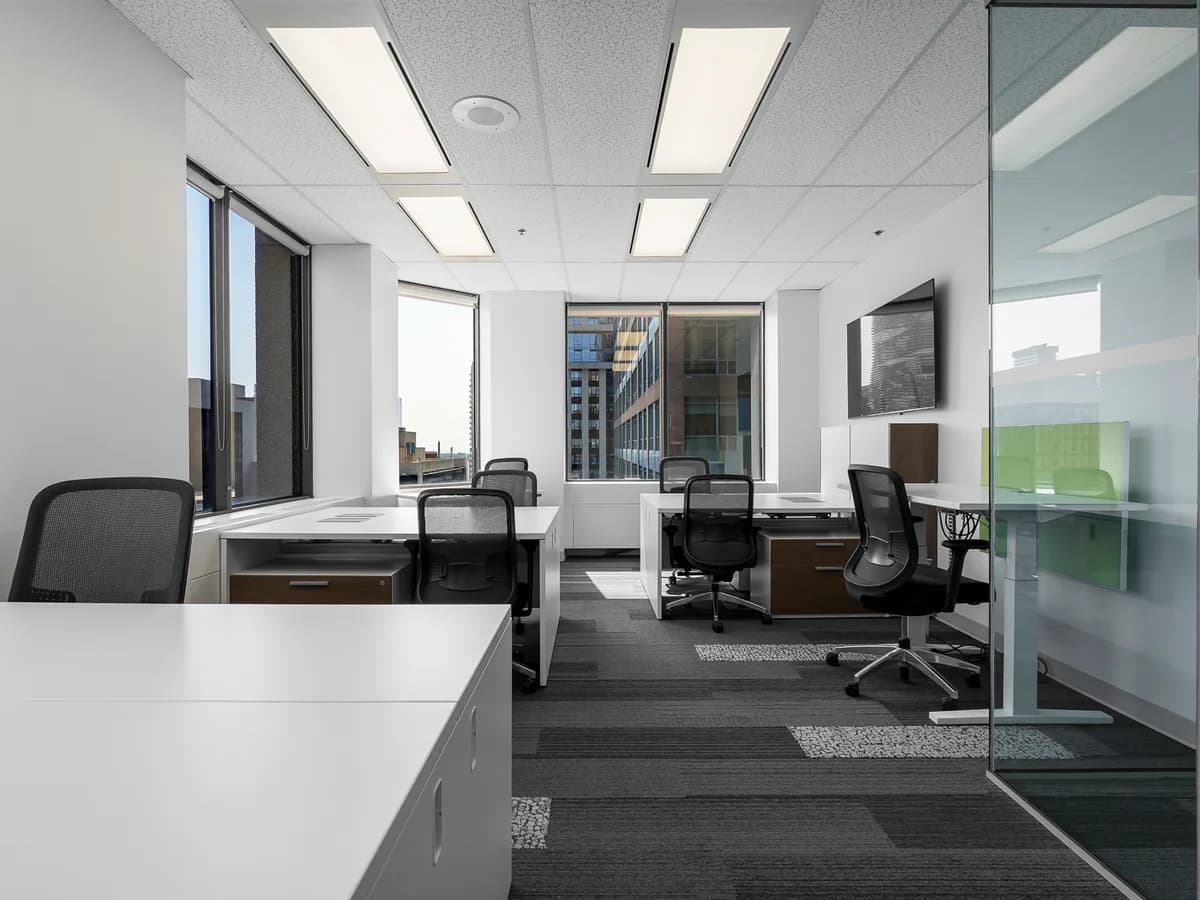
Modern glass office building in a Silicon Valley business park, California
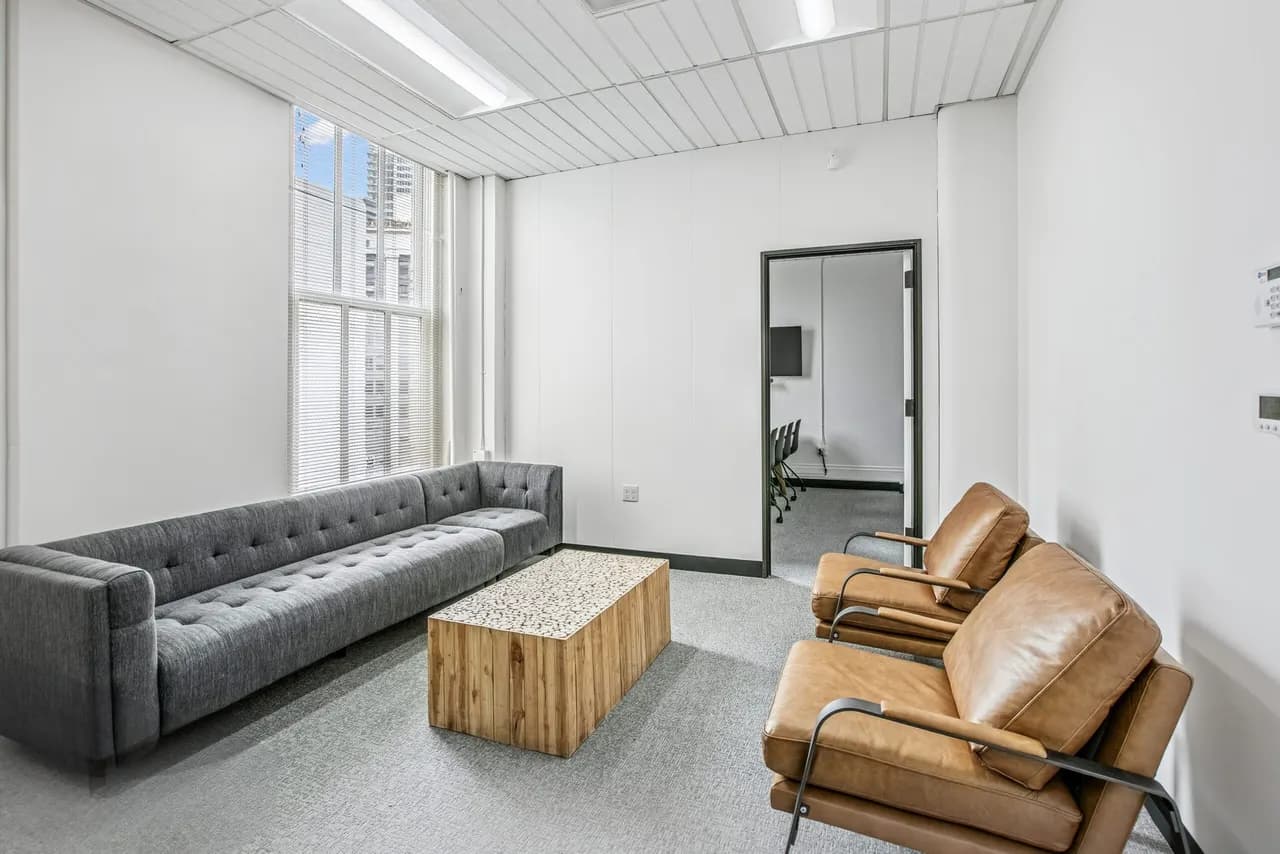
Modern office reception and lounge with natural light
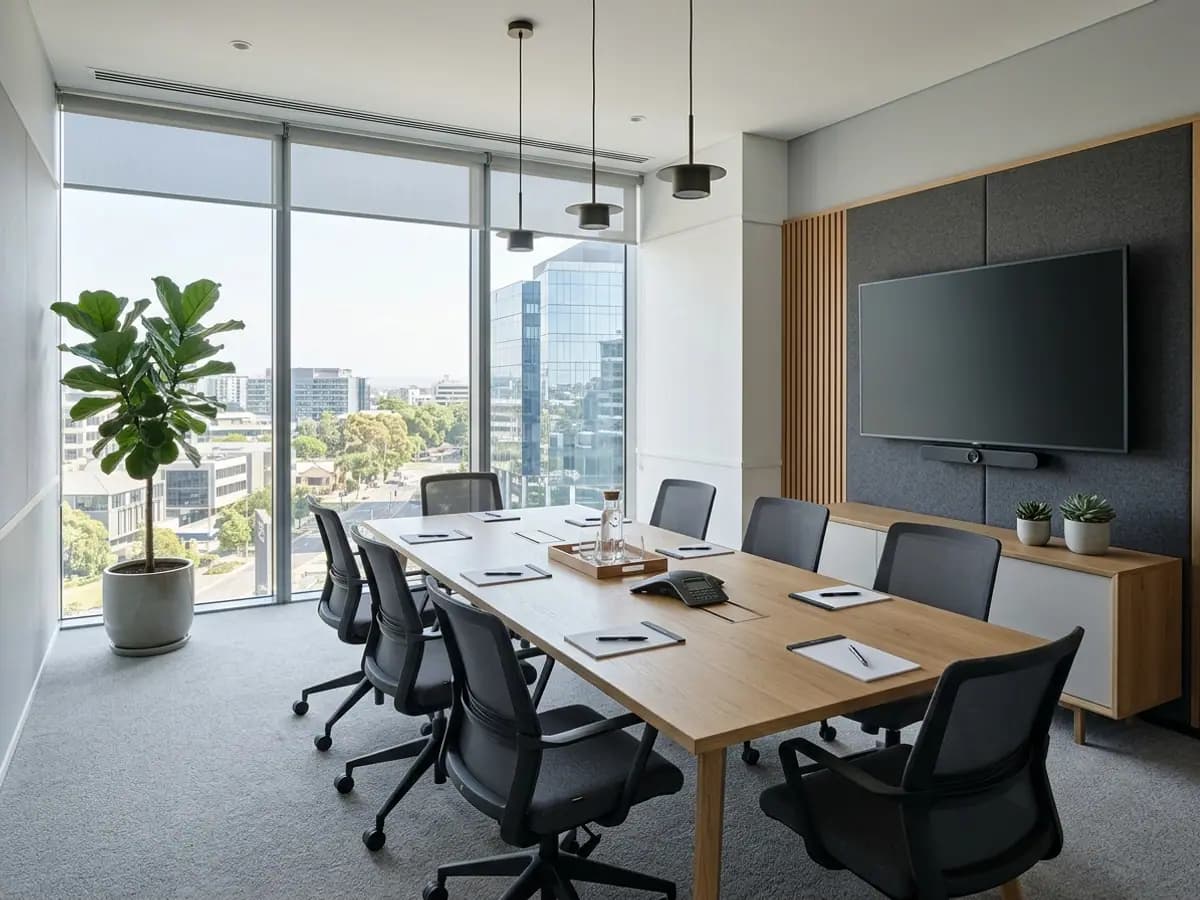
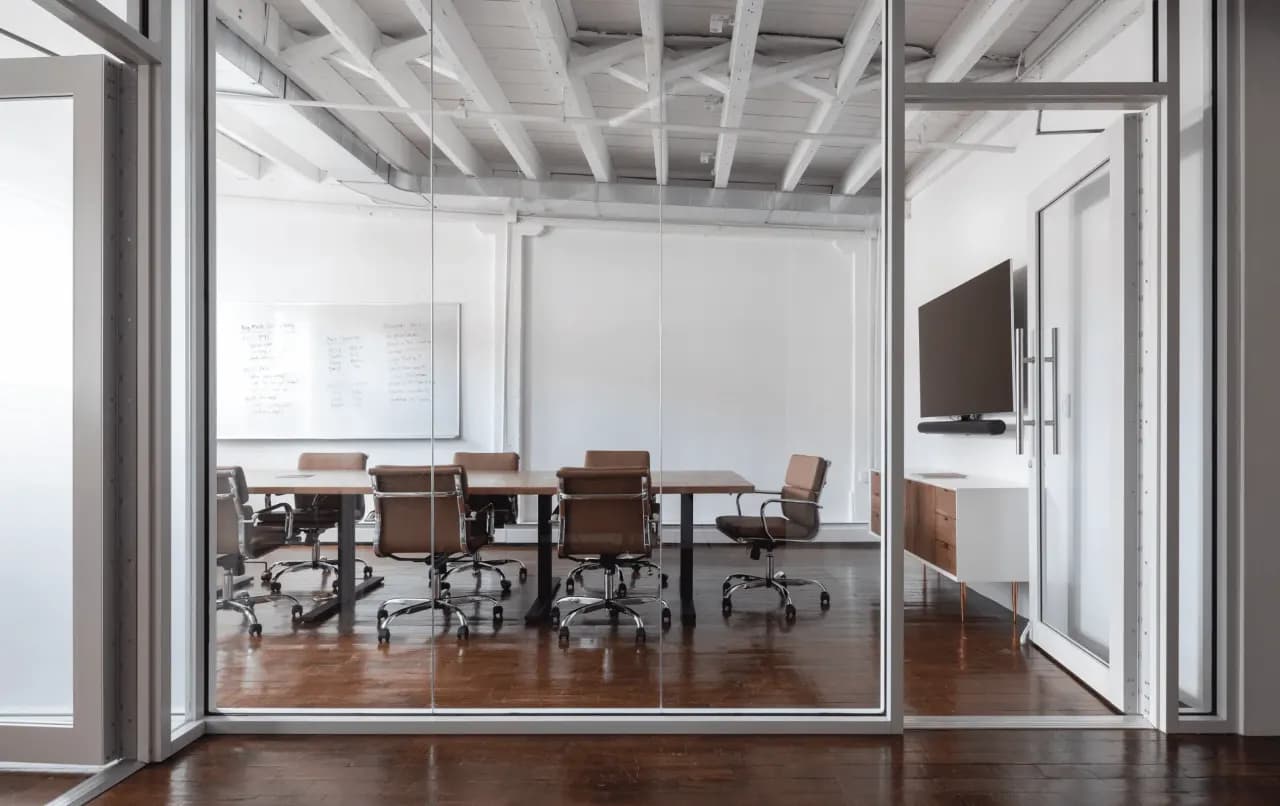
Modern private meeting room with floor-to-ceiling windows

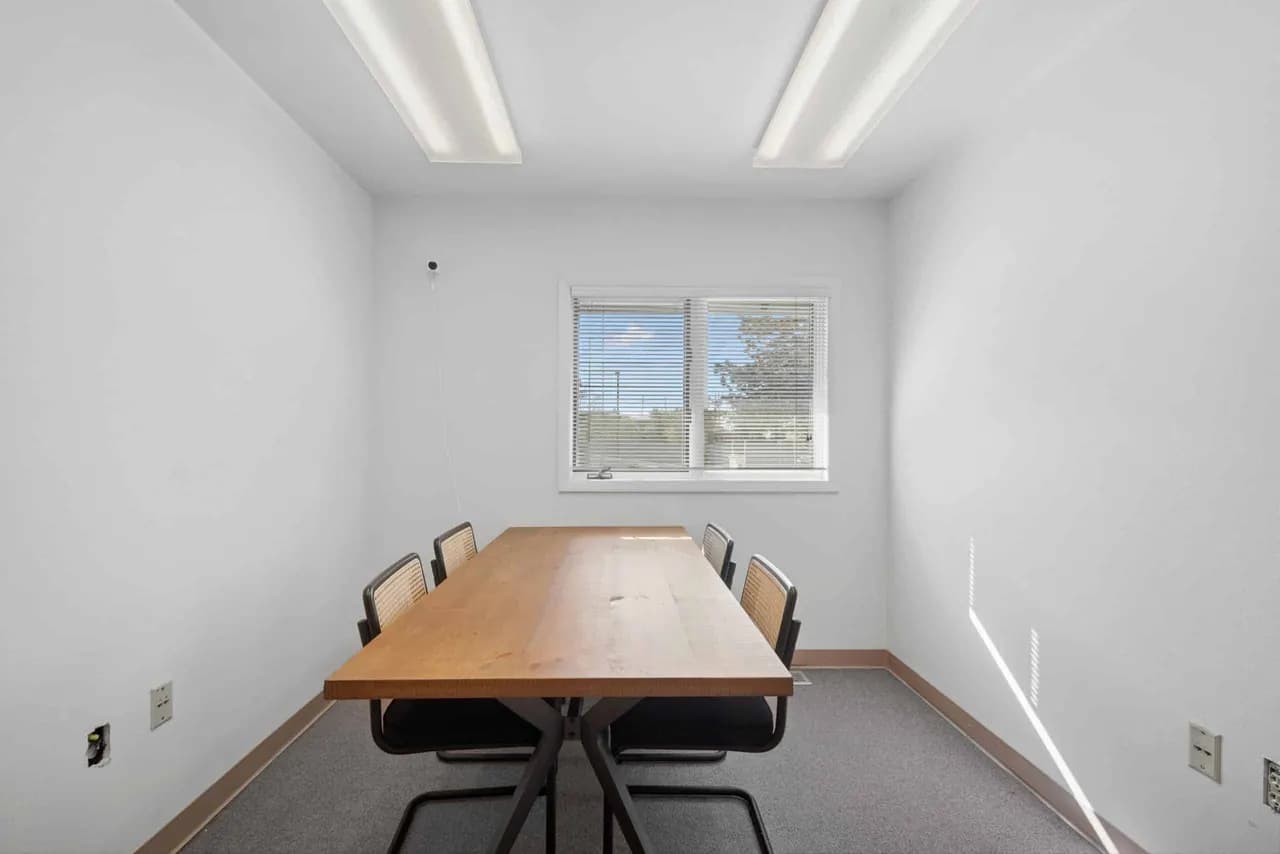
Representative imagery. Photos show the Silicon Valley area and typical workspace, not your assigned address.

We scan your mail the same day

Your mail arrives at our office and we scan it that day. You are not waiting for another company to get to it.

We photograph every envelope

You see what arrived before we open anything. We open a letter when you ask us to, and shred it when you tell us to.

One company handles everything

We wrote the software that runs the mail room. Your mail never passes between two companies, which is where mail usually gets lost.

Privacy

We keep your home address off public filings.

When you form a company in the US, the state publishes the filing, and the filing includes the addresses you wrote on it. Search engines index those pages, and data-broker sites copy them. So if you used your home address on the filing, anyone who searches your company name can find where you live.

A save office address is a commercial street address, and you can use it in those address fields instead of your home address. The filing stays public either way. The difference is that the address it shows is an office building, not your home.

What a public filing shows

1** M**** St, Apt 4your home
447 Broadway, New York, NYsave office

A business address controls which address appears on your filings. It does not control whether your name appears, because that is set by your state's filing rules, and it does not remove filings you made in the past from state archives. We sell an address, not anonymity.

We counted how often a home address stays public.

People pay a registered agent to keep their home address out of the public record. We checked whether that works, in the two states where we could read every filing.

California: whose address ends up on the record

64.6%

own address

Agent address is the owner's own address64.6%
Something else35.4%

From the California business registry: 970,231 companies where both the agent address and the owner address were on file.

Florida: every new LLC filed last month

Named themselves as registered agent

so their own address is the one on file

72.5%

Paid a professional agent, personal address still public

64.4%

Owner's name published

88.4%

Name and address published together

61.8%

42,519 new domestic LLC filings, counted one by one. Published in full in our guide on registered agents.

We measured this two different ways, in two states, and both came out at about two thirds. Paying a registered agent does not by itself keep your home address out of the public record. Read how we counted

Seven addresses

Each address is a real building.

USPS classifies all seven as commercial. Two of them, San Francisco and Washington DC, are registered as mail receiving agencies. You do not have to take our word for any of this. Put our addresses into our own checker and see for yourself.

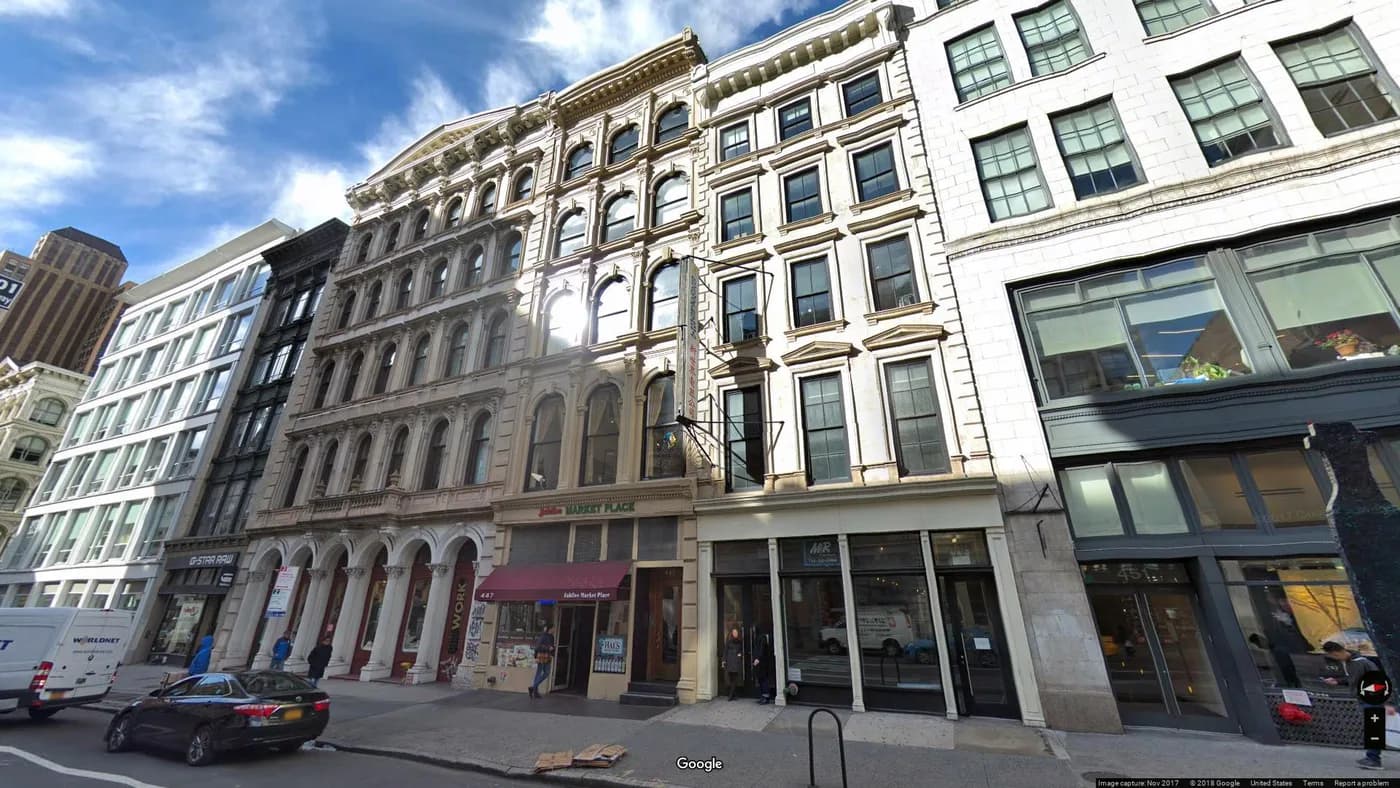
Photos of the buildings our addresses are in. See every location

A CMRA registration is a rule the operator has to follow.

Every coworking space, virtual office, and shared office that receives mail for other people has to register with USPS. For you it means one extra identity form. It is not a reason to be rejected.

AddressUSPS classCMRA registeredWhat you file
447 BroadwayNew York — SoHoCommercialNoNothing extra
1178 Broadway, 3FNew York — NoMadCommercialNoNothing extra
28 Geary St #650San FranciscoCommercialRegisteredForm 1583, once
1401 Pennsylvania Ave #105DelawareCommercialNoNothing extra
5005 W Laurel StTampaCommercialNoNothing extra
1235 Pennsylvania Ave SEWashington DCCommercialRegisteredForm 1583, once
1501 S Greeley Hwy #CWyomingCommercialNoNothing extra

USPS classification checked with Smarty, suite numbers included. Run any of these through our free checker and confirm it yourself — it works on other providers' addresses too.

What we publish

We write all of it ourselves.

Every guide, every video, every newsletter. One video takes two to three hours to make. When a rule changes we go back and correct the guide, which happens most weeks.

100

hours of video

2–3 hours each, 33 videos

212

guides published

rewritten when the rules change

7

addresses

every USPS fact published

245

newsletter readers

new guides as they land

Already been rejected somewhere?

Run the address you have now through our free checker. It shows you how USPS classifies it — the same lookup a bank or a state filing office can do — and it works on any US address, including every one of ours.

Check an address for free

Four questions to ask anyone, including us

  • What does it cost after scanning and forwarding?Ours: both are in the monthly price, and postage on forwarding is included.
  • What happens if a bank turns the address down?Ours: send us the written denial within 30 days and we refund what you paid for that address.
  • Who actually handles the mail at that building?Ours: our US fulfillment team, and in Silicon Valley our own staff once it opens.
  • What happens to your mail on the day you cancel?Ours: we hold it for 30 days after you cancel, and you can ask us to forward it during that time. There is no exit fee.

If another company will not answer these, that tells you something too.

Questions people ask before signing up

What makes save office different from other virtual office providers?

save office is a virtual office provider specialized in privacy: a commercial business address that keeps your home address off public state filings, with a written refund promise if a bank or state agency rejects the address. Most providers compete on how many locations they list. We run a short list of verified addresses, publish the USPS facts about each one, and put the guarantees in writing.

Can save office keep my home address private?

Yes, for the filings you submit from now on. State business filings are public record, and whatever address you write on them gets indexed by search engines and copied by data-broker sites. If you use a save office address in those fields, the address that becomes public is a commercial building instead of your home. Two limits you should know upfront: filings you already made stay in state archives, and whether your name appears on a filing is set by your state's rules, not by the address. We sell an address, not anonymity.

What happens if a bank rejects my address?

Email us the written denial letter within 30 days and we refund 100% of what you paid for that address. We do not promise that a particular bank will approve you, because no address provider can. What we can do is carry the cost if it does not work out.

Why do you only have a handful of addresses?

Because the number of addresses a company has tells you nothing about whether one of them will work for you. A company listing a thousand locations cannot publish what USPS says about each one, and none of them do. We would rather run a short list and show you the record for every address on it. One more thing worth knowing: your company does not have to be registered in the same state as your address, so a short list covers more situations than it looks like it does.

How often do you update the guides?

Whenever the rule behind a guide changes, which in practice means most weeks. State filing requirements, IRS guidance, and USPS rules each change at different times, so we watch them and go back to correct the guides we already published instead of only adding new ones. There are 212 guides so far.

Is what you publish about your own addresses complete?

Yes, including the parts that are less convenient for us. All seven are commercially classified. Two of them, San Francisco and Washington DC, are registered with USPS as mail receiving agencies, which means one extra identity document (Form 1583) and is a registration requirement rather than a defect. You can run all seven through our free checker and confirm it yourself.