Why Banks Reject Your US Business Address (It's USPS Data)
In this video
- The premise is that an address carries public USPS records a bank can read, separate from the street and number themselves
- The two records are CMRA registration, which marks a commercial mail operator, and the delivery classification that marks an address residential or commercial
- Points to checking an address before an application rather than finding out from the bank afterward
Gemini Summary
A 60-second explainer on why a bank may treat a business address as a flag: USPS keeps public data about addresses, including CMRA registration and the residential-or-commercial delivery classification, and some banks reference it during onboarding. The clip points to checking an address before applying.
Notes
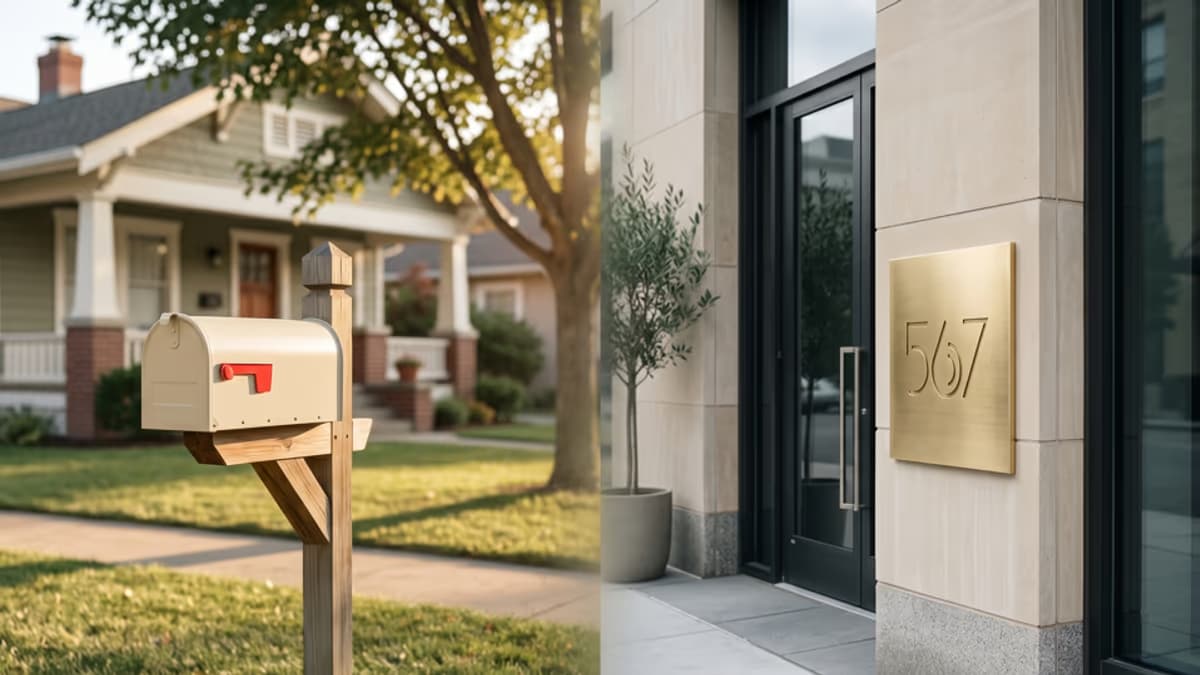
The clip's premise is that a bank looking at your address can also look at what USPS records say about it. Two of those records exist and are checkable: whether the address is registered as a Commercial Mail Receiving Agency, and whether delivery data classifies it as residential or commercial. Our free address checker reads both before you put the address on an application.
What the clip compresses is that banks do not read that data the same way. In the bank policies we have read, one large traditional bank names virtual addresses as not acceptable, some fintechs name CMRA status in their published rules, and others publish no address rule at all. The federal customer identification rule does not exclude any address category, so what happens next is the bank's own policy. We sell the address and publish what it is; the decision stays with the bank.
Related guides
More videos
 0:47Henry Explains
Three First-Year Costs a Solo Founder Can Skip: Office Rent, a Formation Lawyer, Early Hires
Three first-year costs a solo founder can skip: an office lease, a lawyer for the LLC filing, and early hires. The clip names a substitute for each one.
 0:32Henry Explains
The Stripe Field That Trips Up Non-US Founders: the Address
The address field in Stripe onboarding is a common sticking point for non-US founders: a home address carries risk, a P.O. Box gets flagged, and the form wants a real street address.
 0:55Henry Explains
A US Virtual Office in Three Numbers: $14.99, $1.99, and $39.99
Three numbers cover the Silicon Valley price list: the $14.99 address tier, $1.99 per opened and scanned envelope, and the $39.99 Virtual Office tier with 60 scans included.
Reserve your US business address
No setup fees. Cancel anytime.
Get your address