Short answer
Full-time RVers receive mail through a mail forwarding service that gives them a real US street address. Mail is received there, scanned to an online inbox, and forwarded on request. The address is for receiving mail, which is separate from your legal domicile and the tax rules that follow it.
Key takeaways
- Full-time RVers use a virtual mailing address, a real US street address where mail is received, scanned, and forwarded on request.
- A mailing address is not the same as legal domicile, which determines vehicle registration, voting, and state taxes and varies by state.
- Full-time RVers most often choose South Dakota, Texas, or Florida for domicile, all no-income-tax states, though what each one actually requires is written into its own forms and is more specific than the label suggests. The right choice depends on your situation and is worth confirming with a professional.
Before you start
- Separate two decisions: where your mail is received, and which state is your legal domicile.
- List the agencies that need a physical address, such as the DMV, your insurer, and voter registration, so you can update them.
Who this is for
- Full-time RVers and van-lifers without a fixed home address.
- Travelers choosing or changing a domicile state.
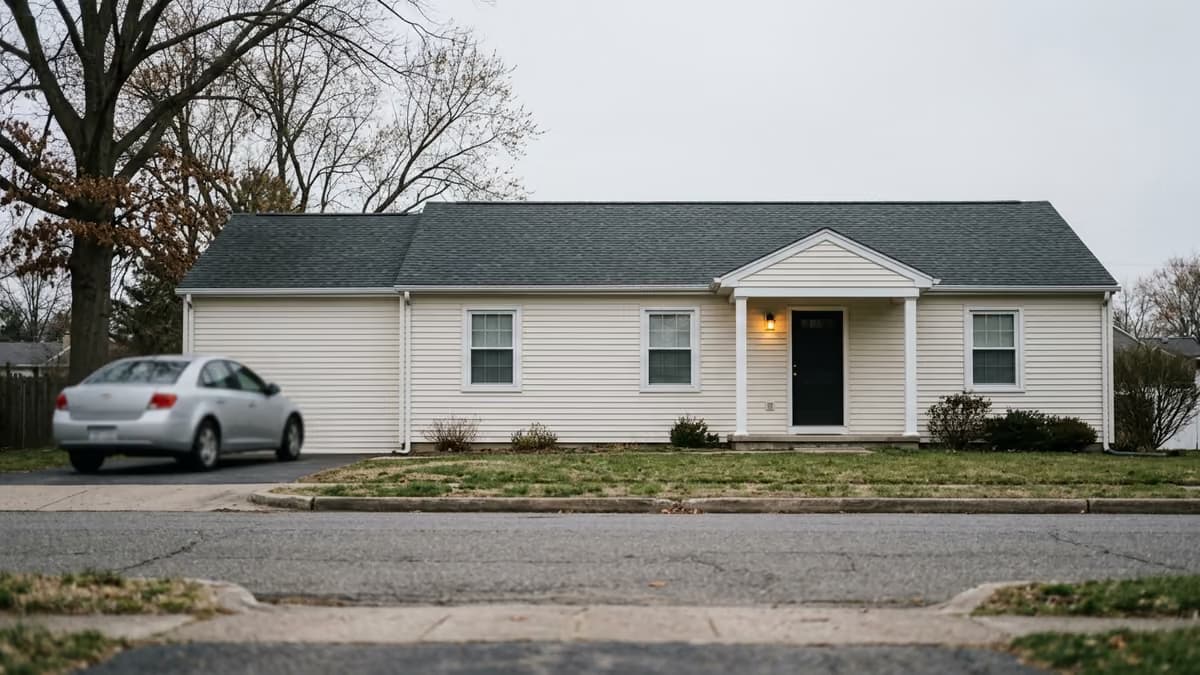
- Anyone who needs a real street address for packages and mail a PO Box cannot accept.
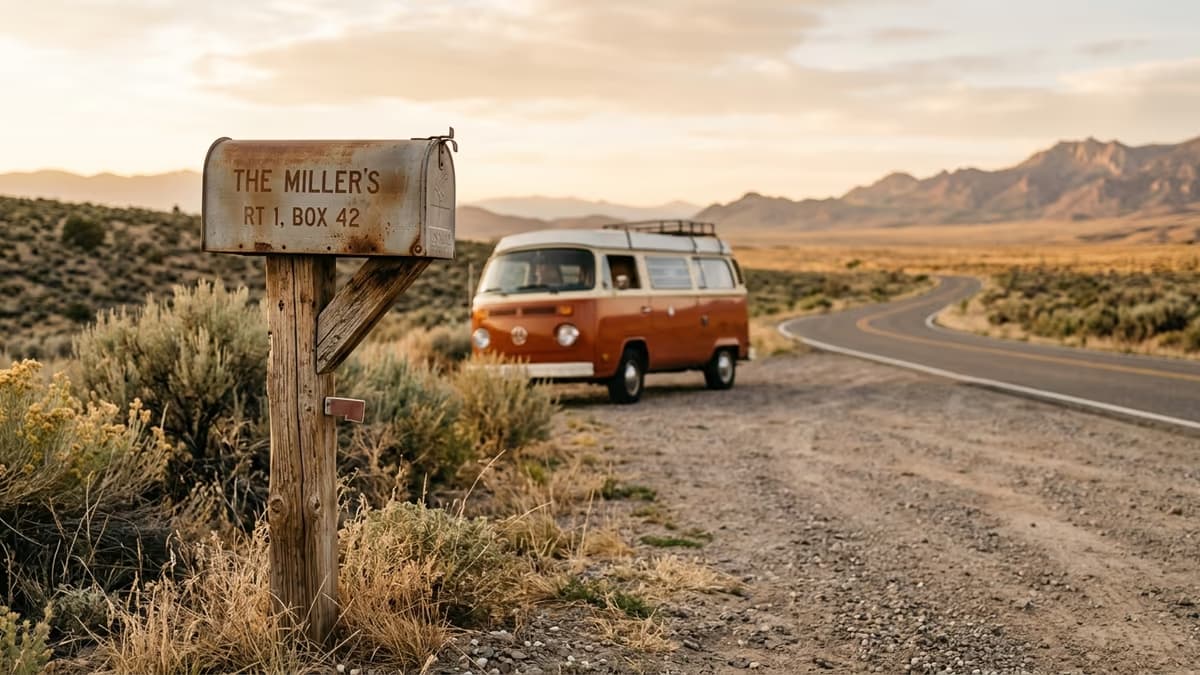
When your home is an RV, mail is one of the first things that gets complicated. Banks, the DMV (Department of Motor Vehicles), and insurers still expect a fixed address, and they do not send mail to a campsite. That gap is what a mailing address service solves for full-time travelers.
This guide covers how full-time RVers receive and scan their mail, why a mailing address is not the same as your legal domicile, how the popular domicile states compare at a high level, and how to pick an address that agencies and banks accept.
Why You Still Need a Fixed Mailing Address on the Road
Even with most things online, a fixed street address is still required in places that do not bend for a mobile lifestyle. Without one, registrations lapse and important mail has nowhere to land.
- Vehicle registration and your driver's license, which are tied to an address.
- Insurance for the RV and your health coverage.
- Banking and cards, which ship to and verify against an address.
- Voter registration and government mail.
Mailing Address vs Legal Domicile: Not the Same Thing
This is the distinction that trips up most new full-timers. A mailing address is simply where your mail is received. Your legal domicile is the state you treat as your permanent home, and it drives your vehicle registration, voter registration, and state taxes.
You can receive mail at an address in one place while your domicile is established somewhere else, and the rules for setting a domicile vary by state. Because that mix has real tax and legal consequences, it is worth confirming your plan with a professional rather than assuming a mailing address sets your domicile.
Ready to set up your business address?
See which US cities fit — about a minute, no card needed.
Choosing a Domicile State at a High Level
Many full-time RVers pick a domicile state with no state income tax. South Dakota, Texas, and Florida come up most often in that conversation. What each state actually requires is more specific than the label suggests, and it is written down: South Dakota's residency affidavit is a notarized document with a perjury clause, and Texas asks for two documents proving a residential address. Treat the labels as a starting point and read the state's own form.
The right choice depends on where you spend time, what you drive, and your wider tax picture, so treat the comparison as a starting point and confirm the details for your situation before you commit.
How a Virtual Mailing Address Works for RVers
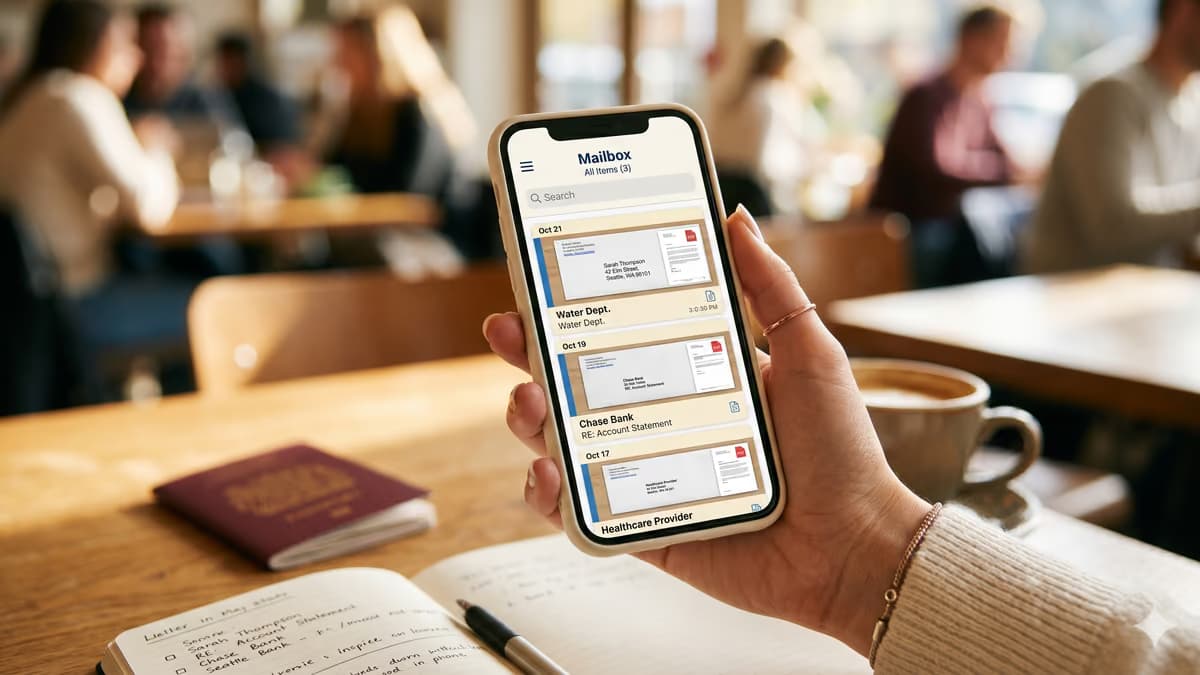
A virtual mailing address gives you a real US street address where your mail is received for you. Each item is scanned into an online inbox, so you can read your mail from a campground the same way you would from a kitchen table.
From there you choose what to do with each piece: read the scan, have the original forwarded to wherever you are parked next, or have it shredded. Checks, cards, and documents that need the physical copy can be forwarded on request.
Where Mailbox Addresses Get Rejected
Not every address clears every check. The common reasons an RVer's address gets bounced are worth knowing before you sign up.
- A PO Box where an agency or bank wants a street address.
- An address classified in a way the reviewer does not expect, which you can check ahead of time.
- A name on the account that does not match the name receiving the mail.
- A missing unit or suite number that makes the address look incomplete.
Check the Address Is Deliverable First
Because so much of the rejection risk is in the address itself, it is worth confirming it is a real, deliverable street address before you put it on your registration and accounts.
You can confirm how an address is classified and whether it is deliverable with our free Address Checker before you use it.
Setting Up Your RV Mailing Address
Once you know your mail and your domicile are two separate decisions, setting up the mail side is quick. save office has real US street addresses in cities including Tampa, Florida and Cheyenne, Wyoming. Those are commercial mail addresses rather than residences, and they do not establish domicile anywhere. Domicile is a state process with its own requirements, and what South Dakota and Texas actually ask for is more specific than the label suggests.
You can set up a real US address through save office onboarding, usually within about a day. For the general personal version of this, our guide on a virtual mailing address for individuals covers the basics.
Full-time RV travel runs into the same wall over and over: agencies want a fixed street address. A virtual mailing address solves the mail side by receiving and scanning everything to an online inbox and forwarding what you need on the road.
Keep your mailing address and your legal domicile as two separate decisions, confirm the address is deliverable before you rely on it, and check the domicile and tax details for your situation with a professional, and life on the road gets a lot less paperwork-heavy.
Frequently Asked Questions
Not sure what you need?
Two short pages sort it out — what the products actually are, and which situation you're in.