Short answer
A virtual address gives coaches and consultants a real business street address to use on client agreements, invoices, and their website, instead of their home address. It keeps your home off public records, signals a professional presence, and works for business banking, all without renting an office.
Key takeaways
- A virtual address gives coaches and consultants a real street address for client agreements, invoices, and their website, without using their home address.
- It keeps your home address off public records and client-facing paperwork while signaling a professional, established presence.
- A free or PO Box address often fails where a real, deliverable commercial address is needed, so it helps to confirm the address is real before you rely on it.
Before you start
- Decide where your business address will appear, such as your website, client contracts, and invoices.
- If you are licensed or registered in your field, check what address that licensing expects.
Who this is for
- Life, business, and fitness coaches running an online practice.
- Solo consultants and fractional advisors who meet clients remotely.
- Anyone using their home address on coaching or consulting paperwork who wants it private.
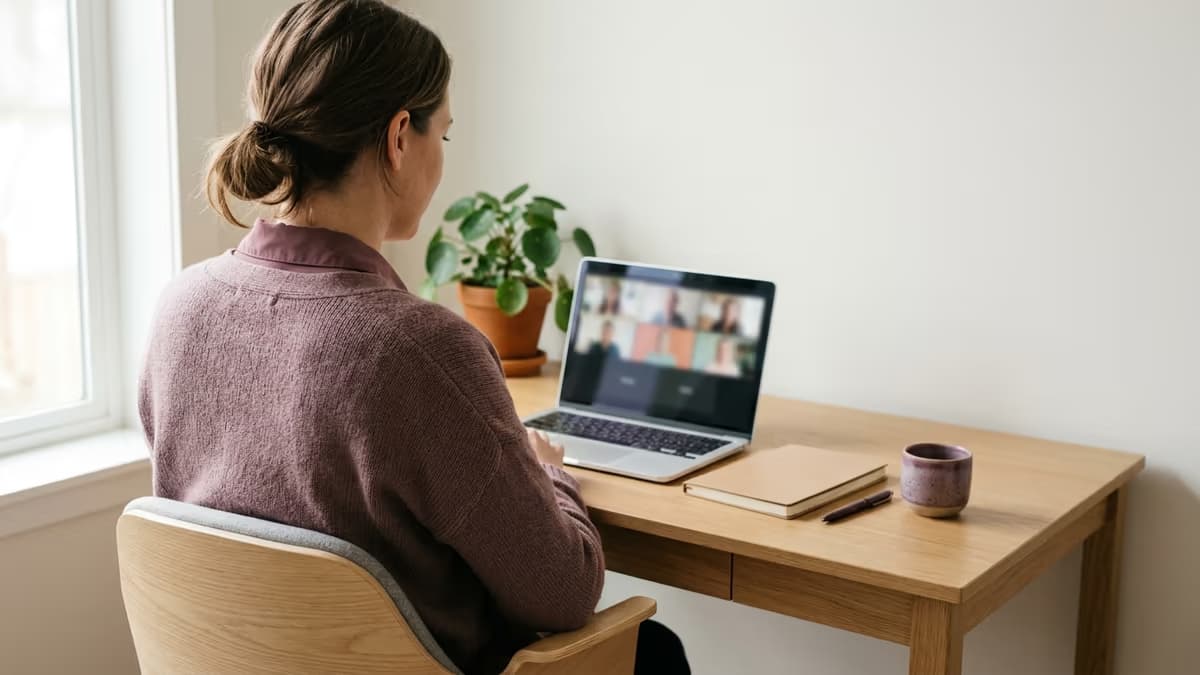
Coaching and consulting are about as location-independent as work gets, which is exactly why the address question sneaks up on people. You run sessions over video, and then a client agreement, an invoice, or your website asks for a business address, and the only one you have is your home.
This guide covers what a virtual address does for coaches and consultants, why putting your home address on client-facing paperwork is a risk, and how to choose an address that keeps your practice private and professional.
What a Virtual Address Does for Coaches and Consultants
A virtual address is a real business street address you can use as your company's address without renting office space there. For a coach or consultant, it becomes the address on your contracts, invoices, and website, separate from where you actually live and work.
Mail sent to it is received on your behalf and scanned to an online inbox, so you can run an entirely remote practice while still having a credible, fixed business address behind it.
Why Your Home Address Is a Risk
When you register a business or put an address on public-facing materials, your home address can end up on public records and in front of clients. For someone who meets clients one on one, that is both a privacy concern and a safety one.
It is also a credibility issue. A residential address on a proposal reads differently than a business one, and keeping your home private is easier to set up at the start than to unwind later. Our guide on keeping your home address private covers the formation side.
Ready to set up your business address?
See which US cities fit — about a minute, no card needed.
Where Your Business Address Shows Up
It is easy to underestimate how many places ask for a business address until you list them out. For a coaching or consulting practice, the same address tends to appear across all of these.
- Engagement letters and client agreements.
- Invoices and payment receipts.
- Your website footer, contact page, and email signature.
- A Google Business Profile or other public listing.
- Business banking and any licensing or registration for your field.
Different Coaches and Consultants, Different Needs
The address need shifts a little depending on what kind of practice you run, even though the core solution is the same.
- Life and business coaches mostly need privacy and a professional address for agreements and their website.
- Fitness coaches who also run a studio have an added layer, which we cover in our guide on a fitness studio business address.
- Solo and fractional consultants often want an address credible enough for corporate clients, covered more in our guide on a professional service address.
Real Address vs PO Box vs a 'Free' Virtual Address
Searches for a free virtual address are common, and it is worth being honest about the trade-off. A PO Box or a free address often is not a real, deliverable commercial street address, which is exactly what banks, licensing, and some clients expect to see.
A real business address holds up where a box number or a free placeholder does not. The cost of a proper address is usually small next to the credibility and banking access it protects.
Choosing a City That Builds Trust
Because the address is part of how clients perceive you, the city can matter. An address in a recognized business market can reinforce credibility, and save office runs real street addresses in several US cities so you can pick one that fits your practice.
If your clients are spread across regions, our guide on how to choose a virtual office city walks through the trade-offs.
Verify the Address Before You Use It
Before you put an address on your contracts and your website, it is worth confirming it is a real, deliverable commercial address rather than something that will be rejected by a bank or a licensing board.
You can confirm how an address is classified and whether it is deliverable with our free Address Checker before you commit to it.
Coaching and consulting may be remote, but the address still shows up on your contracts, invoices, and website, so the fix is a real business address that keeps your home private and your practice looking established.
Choose a real, deliverable commercial address rather than a free placeholder, confirm it before you use it, and your business address stops being the one part of a location-independent practice that exposes where you live.
Frequently Asked Questions
Not sure what you need?
Two short pages sort it out — what the products actually are, and which situation you're in.