Key takeaways
- You can sometimes use another person's address for your LLC, but only with their clear permission and only for certain slots, such as a mailing or principal address.
- It does not work as a registered agent unless that person agrees to act as the agent, because the registered agent must consent and be available to accept legal mail.
- Using an address without permission, or to hide who is behind the business, can be treated as a false filing, and the rules vary by state.
Before you start
- Get written permission from the person whose address you want to use, since their home will receive business and legal mail.
- Separate the slots first: a mailing address, a principal address, and a registered agent address each follow different rules.
Who this is for
- Founders thinking about using a friend's or family member's address for a new LLC.
- Owners weighing a borrowed address against getting their own business address.
- Anyone who discovered their address was used for a business they do not own.
You can sometimes use someone else's address for your LLC, but only with their permission and only for certain slots. Their address can work as a mailing or principal address, while using it as your registered agent, or without consent, creates legal and practical problems.
This guide covers where a borrowed address is allowed, what can go wrong, why permission matters so much, and why a business address of your own is usually the cleaner answer.
Setting up your LLC? See your US address options — no card →
Yes, With Permission, and Only for Some Slots
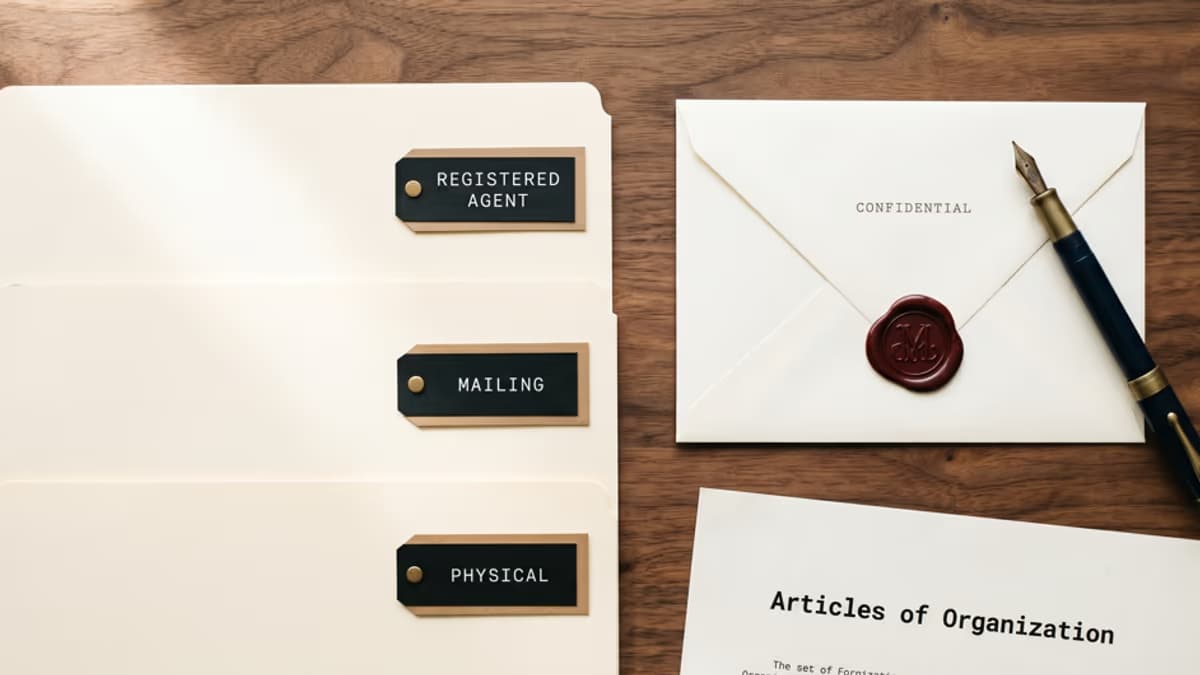
Like most address questions, the answer depends on which slot you mean. A friend or relative's address behaves differently across the three places your LLC needs an address.
| Slot | Someone else's address? | Condition |
|---|---|---|
| Mailing or principal address | Often workable | With their clear permission, since their home receives the business mail |
| Registered agent | Only if they agree to be the agent | The person must consent in writing and be reachable at that address often enough to accept service of process, with the exact standard set by state law |
| Bank account | Risky | Banks expect an address tied to the business and may question a mismatch |
Permission is the thread running through all three. An address you have not been given the right to use is the core problem.
What Can Go Wrong
Even with permission, borrowing an address pushes real consequences onto someone else. It helps to know what you are asking them to take on.
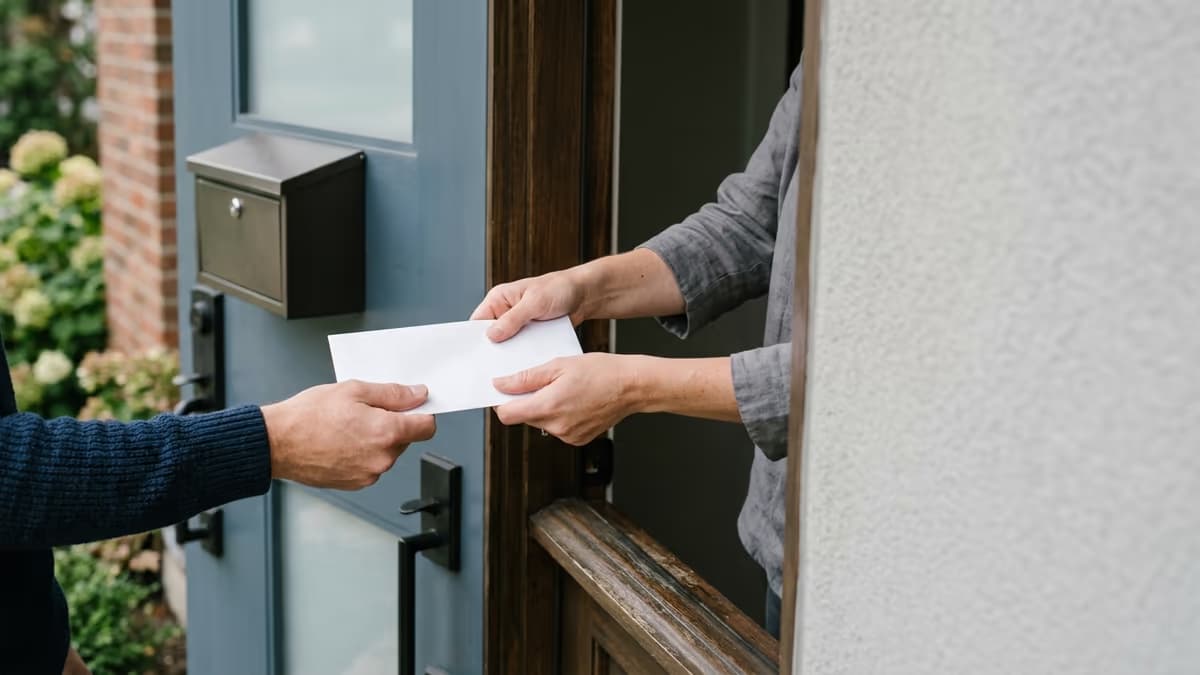
- Legal mail and service of process for the business can be delivered to their home, including documents tied to a lawsuit. Delaware, for one, requires an agent to be present often enough to accept service and forward it to the company.
- Government and tax notices arrive at their address, so a missed letter becomes their problem to forward to you.
- If they move or change their mind, you lose the address and have to update every filing that used it, including IRS Form 8822-B for the business mailing address or location.
- Their privacy is affected, since the address becomes part of your public business record.
Ready to set up your business address?
See which US cities fit — about a minute, no card needed.
The Consent Question
Permission is not a casual yes over text. The person is agreeing to receive your business and legal mail, and in some cases to be named on public filings, so it is worth treating like the commitment it is.
Put it in writing
Get clear, written permission, and make sure the person understands that service of process and tax notices for the business can arrive at their door. A quick written agreement protects both of you if anything is ever questioned.
Doing It Without Permission Is a Real Problem
Using an address you have no right to use, or listing one to hide who is really behind a business, is a different matter from a friend helping out. Business filings are signed under penalty of perjury, and in Florida a signer who knew the information was inaccurate can owe damages to someone who relied on it. How this is treated varies by state, so this is general information rather than legal advice.
The reverse happens too. If you find that your address was used for an LLC you do not own, that is a different problem with its own path, and it runs through the filing state's business division. Colorado, for example, lists including an address in a filed document without the owner or occupant's consent as a complaint ground, and the same office says the process is not for disputes with someone you know, such as a former partner, family member, or friend. What a filing office can actually change varies by state, and we cover those paths and their limits in a separate guide. A borrowed address that went wrong with someone you know is usually a private legal matter. Either way, check whether mail in that business name is arriving for you.
A Cleaner Alternative: Your Own Business Address
Most people asking this question really want to keep their home address private without leaning on a friend. A business address of your own solves that without putting someone else's home on your filings or in front of a process server.
- A professional business address keeps both your home and a friend's home off the public record.
- Mail scanning means business mail and government notices reach you directly rather than through someone else's mailbox, while service of process still goes to your registered agent.
- You control the address, so it does not disappear if a relationship or living situation changes.
Before you commit to any address, run it through our free Address Checker to see how it is classified. For the privacy angle on your own home address, read how to keep your home address private during LLC formation, and to keep the agent and business roles straight, registered agent address vs business address. You can set up your own address through save office onboarding.
Using someone else's address for your LLC can work for a mailing or principal address when you have their genuine permission, but it is not a fit for your registered agent unless they agree to serve, and doing it without consent invites real trouble. The person whose address you use is taking on your business and legal mail, which is a bigger favor than it first appears.
If the goal is privacy or simply a professional address, getting your own is usually cleaner than borrowing one. It keeps everyone's home off the public record and makes sure the important mail reaches you.
Frequently Asked Questions
Sources & References
Primary sources this guide is based on.
- 1The Florida Senate · Fla. Stat. 605.0113, registered agent designation and written acceptance (accessed August 8, 2026)
- 2Delaware General Assembly · 6 Del. C. section 18-104, registered agent presence and duties (accessed August 8, 2026)
- 3The Florida Senate · Fla. Stat. 605.0205, liability for inaccurate information in a filed record (accessed August 8, 2026)
- 4Colorado Secretary of State · Business FAQs, complaint process for fraudulent filings (accessed August 8, 2026)
- 5IRS · About Form 8822-B, business address and responsible party changes (accessed August 8, 2026)
Not sure what you need?
Two short pages sort it out — what the products actually are, and which situation you're in.
Watch this in 60 seconds
Henry covers the same ground on video.