Key takeaways
- A virtual address works for the parts of your food business that are paperwork: LLC registration, IRS and EIN (Employer Identification Number) filings, state compliance, mail, and business banking.
- A virtual address does not work where a regulator inspects a real space: the health department permit, the commercial kitchen inspection, and any on-site food preparation or service.
- Most food businesses end up using two addresses: a principal or registered address for filings and an operating address for the kitchen the health department actually inspects.
Before you start
- Confirm whether your business model requires a permitted commercial kitchen, because that decides whether you need a physical operating address at all.
- Check your local health department rules, since permit, zoning, and cottage food requirements vary by state and city and cannot be generalized.
- Separate the two questions in your head: what address goes on the LLC paperwork, and what address gets inspected.
Who this is for
- Founders forming a restaurant, catering, or packaged food LLC who are unsure whether a virtual address fits.
- Home cooks and food truck owners deciding between a virtual address and a commercial kitchen lease.
- Operators who run from a separate kitchen and want to keep their home address off public filings.
A food or restaurant business can use a virtual address for LLC registration, IRS filings, state compliance, and business banking. It cannot serve as the operating address that a health permit and commercial kitchen inspection require. Paperwork can live at a virtual address, but cooking and serving cannot.
Setting up your LLC? See your US address options — no card →
Can a Restaurant or Food Business Use a Virtual Address for Its LLC?
Yes, with one firm limit. The LLC (Limited Liability Company) itself is a legal and tax entity, and the address it registers with is mostly an administrative and mail destination. That part of your business can sit at a virtual address without any problem. The food operation, on the other hand, is a regulated physical activity, and that is where a virtual address stops being useful.
The confusion comes from treating one address as if it answers every question. Your LLC filing asks for a business address. Your bank asks for a business address. Your health department asks for the address where food is prepared. These can be the same place, but for a food business they usually are not, and only the last one demands a real, inspectable kitchen.
The one-line rule
If a regulator needs to walk in and look at a sink, a hood, or a refrigerator, that step cannot happen at a virtual address. Everything that is filed, mailed, or banked generally can.
Where a Virtual Address Works: LLC Registration, IRS/EIN, Mail, Business Banking
For the administrative side of a food business, a real US business address through a virtual office service generally does the job. These uses are about receiving documents and presenting a credible business identity, not about hosting an operation.
- LLC registration: most states accept a virtual business address as the principal or mailing address on formation documents, and you can pair it with a registered agent for service of process.
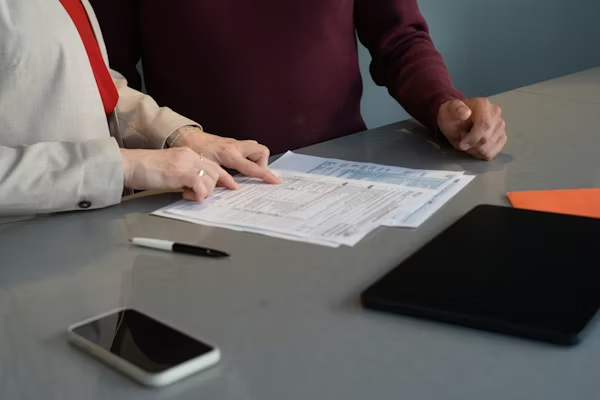
- IRS filings and EIN (Employer Identification Number): the mailing address you give the IRS is the one it uses for correspondence and generally on all tax returns, and the physical street address is a separate line filled in only when it differs, so a deliverable virtual address that you actually monitor works well for the mailing line.
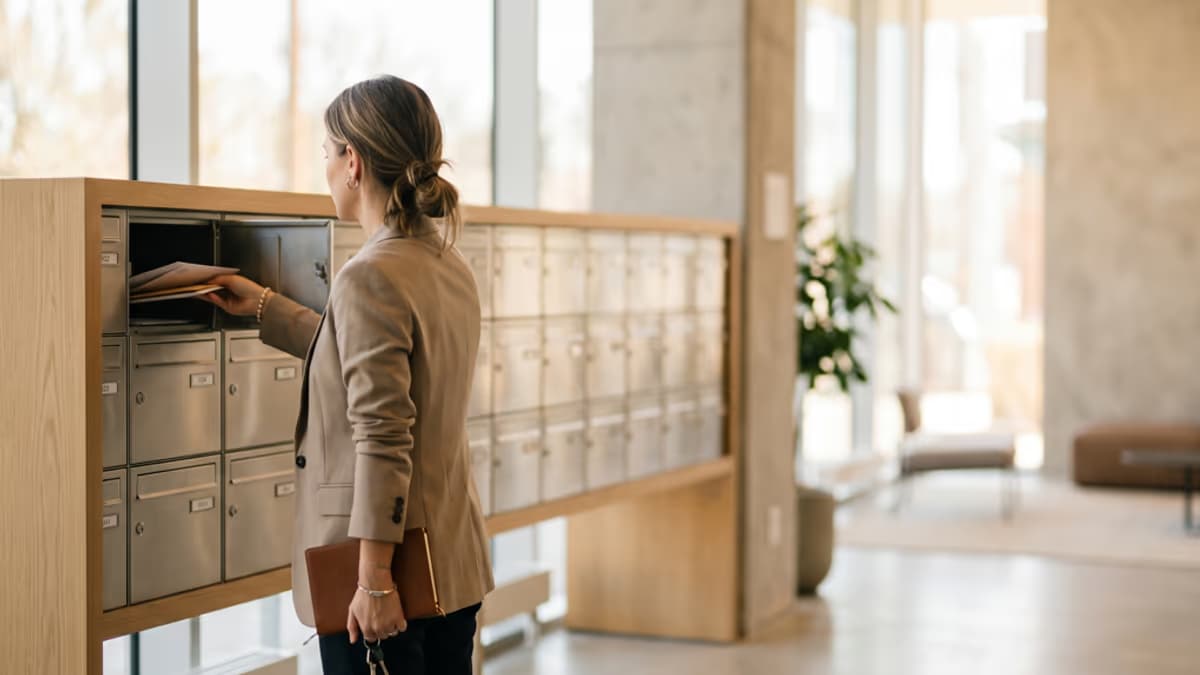
- State compliance mail: annual reports, franchise tax notices, and license renewals are all paper that needs a reliable destination rather than a kitchen.
- Business banking: many banks accept a real street business address for account documentation, though each bank sets its own verification rules and may ask follow-up questions.
- Public-facing identity: a professional address on your website, invoices, and vendor paperwork keeps your home address private.
This is the part of the business where a virtual address earns its keep. You get a credible, monitored, deliverable address for everything that arrives as mail or appears on a form, and you keep your personal address out of public records. A free Address Checker can help you confirm an address is a real, deliverable street address before you put it on filings.
Banking note
Banks vary. Some accept a virtual business address with no friction, others ask for additional documentation. Ask your bank what they require for a food business before you assume the address alone is enough.
Ready to set up your business address?
See which US cities fit — about a minute, no card needed.
Where a Virtual Address Does Not Work: Health Permit, Commercial Kitchen Inspection, On-Site Operations
Here is the honest limit. A virtual address cannot serve as the place where food is made, stored, or served, and it cannot satisfy any requirement that depends on inspecting a physical kitchen. If your business model needs a permitted space, the virtual address does not replace it.
- Health department permit: a food establishment permit is generally tied to a specific, inspected location, and a virtual address has no kitchen to permit. The FDA Food Code, the model most states adopt, bars operating without a permit and asks the application for the establishment's location as a field separate from the mailing address.
- Commercial kitchen inspection: inspectors check sinks, surfaces, refrigeration, and ventilation in person, which a mail-handling address cannot provide.
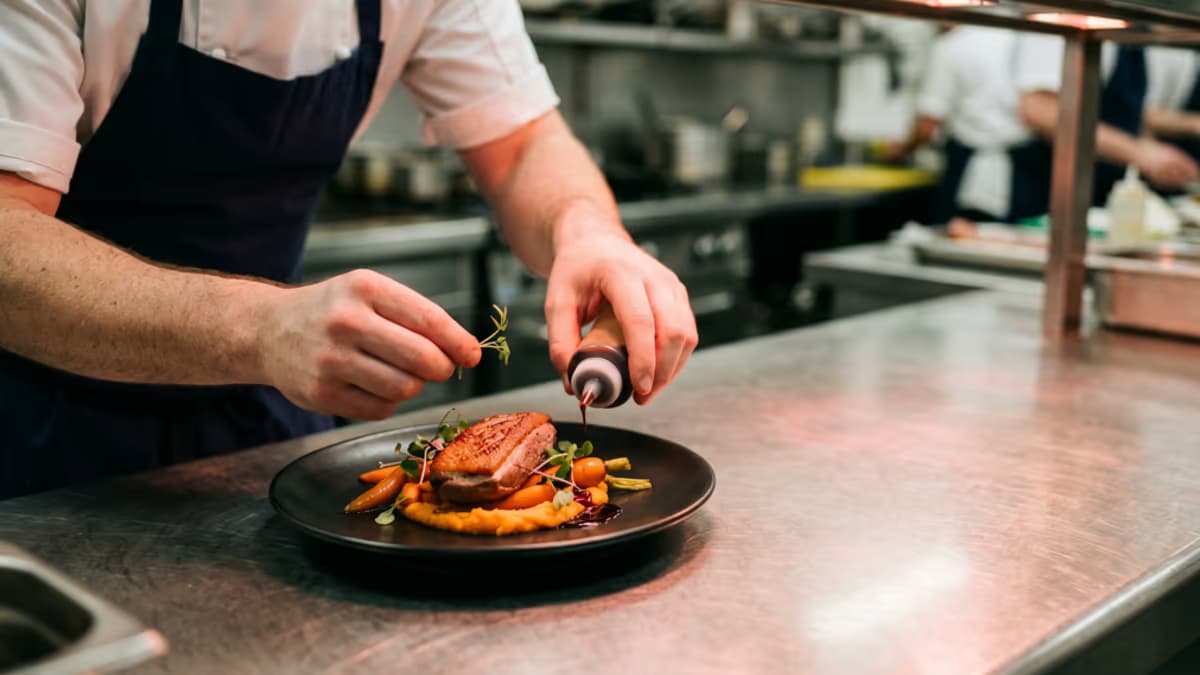
- On-site food preparation and service: any cooking, plating, packaging, or dine-in service has to happen at a real, zoned, permitted space.
- Zoning and use approval: local zoning generally governs where food can be prepared commercially, and a virtual office is not zoned as a food facility.
Do not list a virtual address as your kitchen
Putting a virtual address on a health permit application as the food preparation site is a misstatement that can get the application rejected or the permit revoked. California is a concrete example: its code says a permit is nontransferable and valid only for the person and location named on it, unless suspended or revoked for cause. List the real location where food is handled.
None of this makes a virtual address useless for a food business. It simply means the address has a job and a boundary. It handles the paperwork and the mail. The kitchen handles the food, and the kitchen is what the health department inspects.
The Address Split: Principal/Registered Address vs Operating (Kitchen) Address
Most food businesses naturally end up with two addresses, and that is normal rather than a workaround. One address is for the entity and its mail. The other is for the physical operation that gets inspected. Keeping them separate is often the cleanest setup.
| Address type | What it is for | Virtual address? |
|---|---|---|
| Principal / registered address | LLC filings, IRS notices, state mail, banking documents | Generally yes |
| Registered agent address | Receiving legal service of process during business hours | Yes, via a registered agent |
| Operating (kitchen) address | Health permit, kitchen inspection, food prep and service | No, must be a real permitted space |
How a typical food business splits its addresses
The registered agent address and the registered or principal address are related but distinct, and it helps to understand the difference between a registered agent address vs business address before you file. The operating address is the one that cannot be virtual, because it is the one a regulator walks into.
Why split at all
Splitting lets you keep your home address off public filings and mail while still giving the health department the real kitchen location it needs. You get privacy on the paperwork and compliance on the operation.
Special Cases: Cottage Food, Food Trucks, Ghost/Cloud Kitchens, Caterers
Different food models draw the address line in different places. The rules vary by state and city, so treat the points below as patterns to confirm locally, not as nationwide guarantees.
- Cottage food: many states allow certain low-risk foods to be made in a home kitchen under a cottage food law. The food still has to be made in your actual home kitchen rather than at a virtual address, and whether an inspection applies can turn on the tier rather than the state. California splits it: a Class A operation registers and is not subject to routine inspections, while a Class B operation needs a permit issued after an initial inspection. Confirm your state's cottage food rules.
- Food trucks: a truck is the mobile operation, but most areas also require a commissary or other approved base of operations for prep, storage, and cleaning, which is a physical location rather than a virtual one.
- Ghost and cloud kitchens: a shared commercial kitchen is itself the permitted operating location, so you would use that kitchen's address for the health permit while still using a virtual address for filings and mail.
- Caterers: catering generally must be prepared in a permitted commercial kitchen, so the operating address is the permitted kitchen even when events happen elsewhere.
Local rules govern
Example: some jurisdictions require a food truck to register a commissary and inspect it, while others handle it differently. Always confirm with your local health department before assuming your model fits.
Across all of these models, the pattern repeats. The virtual address covers the entity, the filings, and the mail. The permitted physical space, whether it is your home kitchen, a commissary, or a shared commercial kitchen, covers the operation and the inspection.
How to Check If Your Address Qualifies (free Address Checker)
Before you put any address on a filing or a permit, it helps to know what kind of address it actually is. A registered or principal address needs to be a real, deliverable street address. An operating address needs to be a permitted physical kitchen. Confirming each one upfront saves you a rejected filing or a stalled permit later.
- 1Decide which address you are checking: the one for filings and mail, or the one for the kitchen that gets inspected.
- 2For the filing and mail address, run it through a free Address Checker to confirm it is a real, deliverable street address rather than something a bank or state might reject.
- 3For the operating address, confirm with your local health department that the space is zoned and permitted for food preparation.
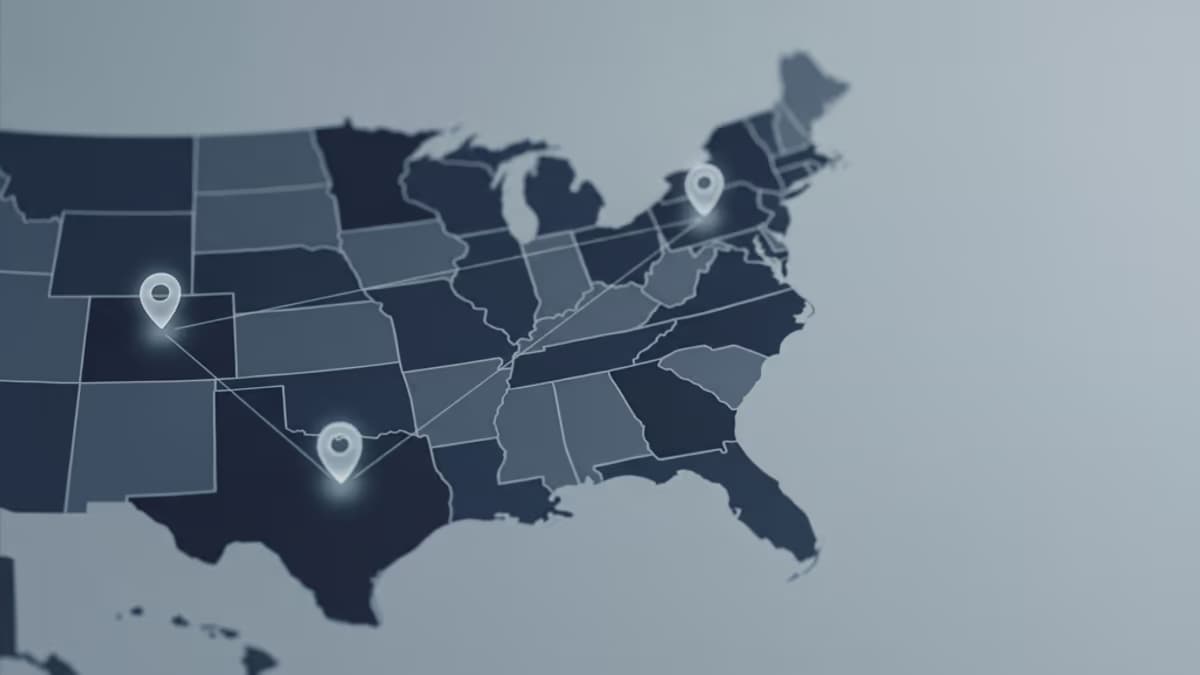
- 4If you need a credible filing and mail address across more than one state, choose from save office's US cities so you are not limited to a single metro area.
Because save office offers a real US business address in its cities, you are not locked into a single region's market for your registered or mailing address, which matters if you operate or register in more than one state. When you are ready to set up the filing and mail side, save office onboarding walks you through choosing a city and activating the address. The kitchen side stays where your real, permitted operation lives.
Two addresses, two checks
Run the filing and mail address through the address checker, and confirm the kitchen address with your health department. Each address gets the check that fits its job.
A virtual address is a genuinely useful tool for a food or restaurant LLC, as long as you are honest about its boundary. It handles registration, IRS and EIN filings, state compliance, mail, and the public-facing identity that keeps your home address private. It does not handle the health permit, the kitchen inspection, or any on-site food preparation, because those depend on a real, permitted space that a regulator can inspect. The same boundary applies to licensed care; a childcare or daycare LLC splits its addresses the same way.
Set it up as two addresses doing two jobs. Use a virtual address for the paperwork and mail, and use your permitted kitchen for the operation. To dig deeper into how a business address fits state and license rules, see our guide on business license virtual address rules, and if you are weighing your options, compare a virtual office vs PO box business address before you decide.
Frequently Asked Questions
Sources & References
Primary sources this guide is based on.
- 1U.S. Food and Drug Administration · Food Code 2022, permit prerequisite and inspection access (accessed August 8, 2026)
- 2California Legislative Information · Cal. Health and Safety Code section 114381, food facility permit validity (accessed August 8, 2026)
- 3California Legislative Information · Cal. Health and Safety Code section 114295, mobile food facility commissary (accessed August 8, 2026)
- 4California Legislative Information · Cal. Health and Safety Code section 114365, cottage food registration and permit (accessed August 8, 2026)
- 5IRS · Instructions for Form SS-4, mailing address and street address lines (accessed August 8, 2026)
Not sure what you need?
Two short pages sort it out — what the products actually are, and which situation you're in.