Key takeaways
- A cannabis dispensary license premises must be a real, state-inspected physical location that meets buffer-zone and zoning rules. A virtual business address cannot serve as that licensed premises.
- Your LLC (Limited Liability Company) registered agent address and general mailing address are separate from your license premises, and those are where a virtual address can sometimes help.
- Federal controlled-substance status, not your address, is what blocks normal banking for plant-touching cannabis businesses. No address product solves that gap.
Before you start
- Confirm cannabis is legal in your state and that your municipality issues the license type you want, because rules differ sharply across legal states.
- Separate two questions early: where your licensed premises will physically operate, and what address your LLC uses for registration and mail.
- If your business is ancillary and non-plant-touching, your address options are usually broader than a dispensary's, but verify with your own counsel.
Who this is for
- Founders forming a cannabis-related LLC who are unsure whether a virtual address can be used anywhere in the structure.
- Ancillary, non-plant-touching cannabis service businesses (consulting, software, marketing) deciding on an entity and mailing address.
- Multi-state operators who need to track how premises and address rules change from one legal state to the next.
A cannabis dispensary needs a physical, state-inspected license premises that meets buffer-zone and zoning rules, and a virtual business address cannot serve as that licensed location. Your LLC registered agent and mailing address, and ancillary non-plant-touching cannabis businesses, are a different matter.
Setting up your LLC? See your US address options — no card →
Two Different Addresses: Your LLC Registered/Mailing Address vs Your Cannabis License Premises
Most confusion in cannabis address questions comes from collapsing two very different things into one. A cannabis business often involves at least two distinct addresses, and they answer to different rules and different agencies.
The first is your entity address layer: the registered agent address and general business mailing address tied to your LLC. The second is your license premises: the actual building where licensed cannabis activity happens. Treating these as one address is where founders go wrong.
| Address type | What it is for | Can a virtual address help? |
|---|---|---|
| LLC registered agent address | Official state contact for legal and government mail tied to your entity | Often yes, where the provider offers registered agent service in that state |
| LLC business mailing address | General correspondence, vendor mail, non-licensed paperwork | Often yes, for mail handling and a professional business address |
| Cannabis license premises | The inspected, zoned location where licensed cannabis activity occurs | No, this must be a real physical location the state can inspect |
The same LLC can carry several addresses. Only the license premises must be a real, inspected location.
The core distinction
Your LLC paperwork can list an entity or mailing address, but your cannabis license is tied to a specific physical premises the state has approved and can inspect. Those two addresses are not interchangeable.
Why a Cannabis License Premises Must Be a Real, Inspected Location
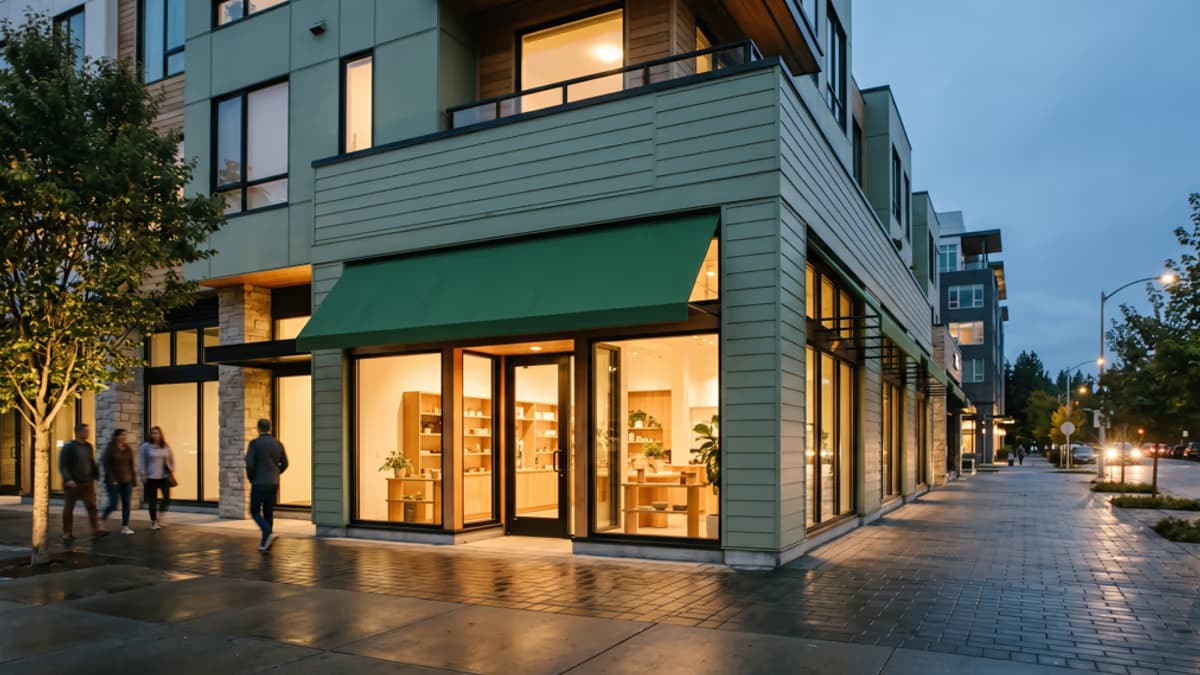
Cannabis is one of the most heavily regulated retail categories in the country. Before a dispensary can open, the licensing agency typically inspects the physical premises to confirm it matches what the application described. A virtual address has no inspectable building behind it, so it cannot satisfy that requirement.
Legal states layer several physical-location rules onto a cannabis premises, and these are the main reasons the location has to be real and fixed:
- Buffer zones: many jurisdictions require a minimum distance from schools, parks, daycares, or churches. As an example, some areas commonly use a 1,000-foot buffer, but the figure and the protected uses vary by state and city.
- Zoning: the premises usually must sit in a commercial or industrial zone that explicitly permits cannabis retail, which rules out most residential parcels.
- Security and build-out: cameras, limited-access areas, safes, and alarm systems are often inspected on site before a license is granted.
- No residential or mobile premises: a home, a virtual mailbox, or a vehicle generally cannot be a licensed dispensary location.
Do not promise a virtual address as a premises
If anyone tells you a virtual address can stand in for a licensed dispensary, retail, cultivation, or processing premises, treat that as a red flag. Plant-touching cannabis activity must occur at a real, approved, inspectable location.
Ready to set up your business address?
See which US cities fit — about a minute, no card needed.
Where a Virtual Business Address Can Help: Registered Agent, Mailing, Ancillary (Non-Plant-Touching) LLCs
Once you separate the license premises from the entity layer, the role of a virtual business address becomes clearer. It does not touch the licensed premises, but it can support the parts of your structure that are administrative rather than operational.
- Registered agent address: where your provider offers registered agent service in the state, a professional address can receive official entity mail instead of your home.
- General business mailing: vendor correspondence, banking paperwork for non-plant-touching entities, and non-licensed mail can route to a real street address.
- Ancillary cannabis LLCs: consulting, software, marketing, packaging design, and similar non-plant-touching businesses often have the same address flexibility as any normal LLC.
Before relying on any address for a cannabis-related filing, it helps to confirm the address is a real, deliverable street location rather than something a bank or agency may flag. You can sanity-check a candidate address with our free Address Checker and then confirm specifics with your own counsel.
Match the address to the entity, not the plant
If the LLC never touches cannabis itself, its address questions usually look like any other business. The strict premises rules attach to the licensed, plant-touching activity, not to your administrative entity.
The Federal Banking Wall: Schedule I Status and Why No Address Solves It
A common hope is that a cleaner address will unlock normal banking for a cannabis business. It will not. The obstacle is federal, not local, and it sits above any address you choose.
Cannabis sits in a complicated place under federal law. A 2026 federal order moved state-licensed medical marijuana and some FDA-approved products to Schedule III, while adult-use recreational cannabis remains Schedule I. Either way it stays a federally controlled substance, and because most banks are federally regulated, many decline accounts for plant-touching cannabis businesses regardless of how legitimate the state license or how real the street address. Changing your mailing address does not change your federal classification.
- The barrier is federal controlled-substance status, not whether your address is real or virtual.
- A real, inspected premises is still required for licensing, but it does not by itself grant access to mainstream banking.
- Some specialized financial institutions choose to serve cannabis businesses, often with extra compliance steps and fees, which is a separate question from your address.
On SAFE Banking
Proposals such as the SAFE Banking (Secure and Fair Enforcement Banking) measures aim to narrow this gap, but their status can change and nothing here should be read as confirming any particular law has passed. Treat banking access as an open, federal-level issue, and verify the current state of the law before you rely on it.
State-by-State: How Premises and Address Rules Differ Across Legal States
There is no single national rulebook for cannabis premises or addresses. Within the states where cannabis is legal, the details vary by state and often by city, so a structure that works in one place may not transfer cleanly to another.
When you operate across more than one legal state, plan for differences along these lines:
- Buffer distances and protected uses: the minimum distance and which sites count as sensitive (schools, parks, treatment centers) differ by state and locality.
- License caps and local approval: some jurisdictions limit the number of licenses or require a separate local sign-off before a premises can open.
- Premises and entity matching: some states want the licensed entity, its registered agent, and its premises documented in specific, sometimes overlapping ways.
- Residency and ownership rules: a few legal states attach residency or local-presence conditions that affect how you form and address the entity.
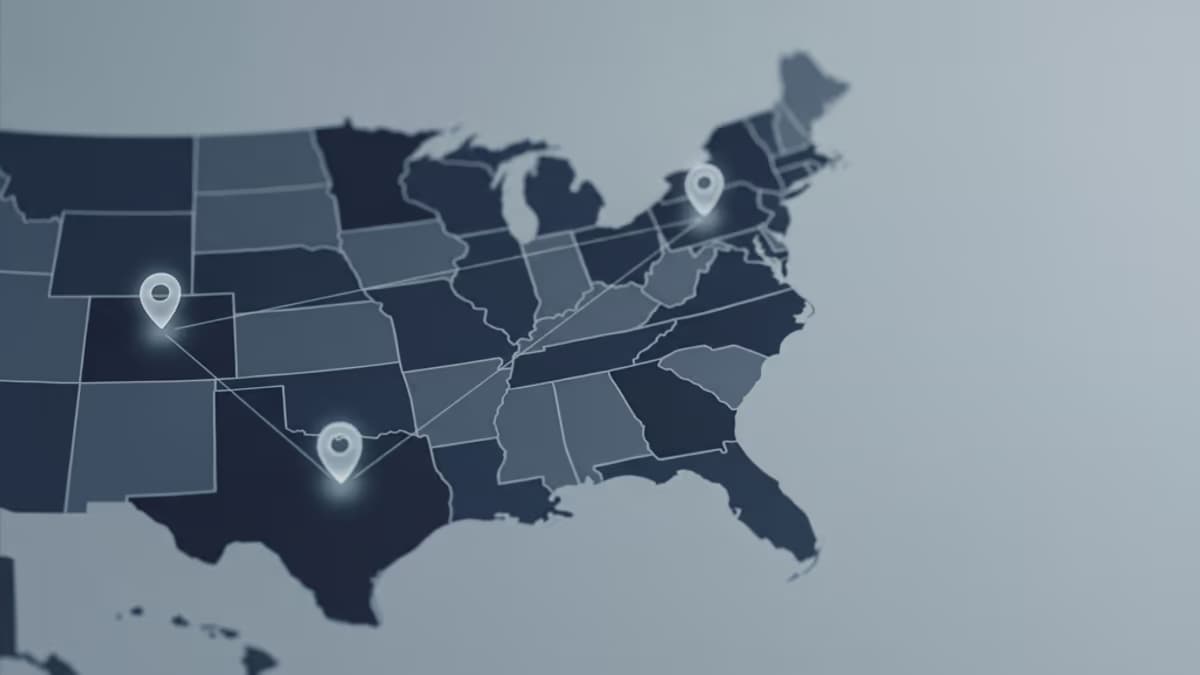
The entity layer is where a multi-state structure becomes manageable. Because save office maintains business addresses in cities across several states, including Wilmington Delaware, San Francisco, New York City, Tampa, Washington DC, and Cheyenne Wyoming, an ancillary or holding LLC can keep a consistent mailing setup, paired with a registered agent service per state, while each licensed premises stays local to its own state. The licensed premises always stays physical and state-specific, but the administrative address layer can be coordinated.
Legal states only, and verify locally
Everything in this section applies only in states where cannabis is legal, and even there the rules differ by state and city. Treat the points above as a planning checklist, not legal advice, and confirm each detail with your state's licensing agency.
Setting Up an Ancillary Cannabis LLC the Right Way (Entity Address vs Operating Premises)
Ancillary cannabis businesses, the ones that serve the industry without handling the plant, are usually where a virtual business address fits cleanly. A consulting firm, a compliance software company, or a marketing agency for dispensaries can often form an LLC the same way any normal service business does.
- 1Confirm your business is genuinely non-plant-touching, meaning it never possesses, cultivates, processes, or sells cannabis.
- 2Form your LLC in a suitable state and set its registered agent and mailing address, where a professional business address can stand in for your home.
- 3Keep any operating premises question separate, because an ancillary business that never touches the plant rarely faces dispensary-style premises inspections.
- 4Document which address is the entity address and which, if any, is an operating location, so banks and agencies see a clean structure.
If your LLC is ancillary and non-plant-touching, you can set up its business mailing address across multiple states through save office onboarding and pair each state with a registered agent service, keeping the entity layer consistent while your operations stay wherever they belong. For the broader rules on addresses and licenses, see our guide on business license and virtual address rules, and to keep your registered agent and business address straight, read registered agent address vs business address.
Licensed professionals in cannabis
If your ancillary work involves a licensed profession, such as legal or accounting services, your entity type can matter too. Our overview of PLLC vs LLC for licensed professionals covers how those address and entity rules interact.
The honest summary is simple. A plant-touching cannabis dispensary, cultivator, or processor needs a real, inspected, state-approved premises, and no virtual address can take its place. The federal Schedule I banking wall sits above your address choice and is not something any mailing setup can solve.
Where a virtual business address does help is the entity layer: registered agent and mailing for your LLC, and the full address flexibility that ancillary, non-plant-touching cannabis businesses usually enjoy. Keep those two questions separate, verify every detail with your state's agency and your own counsel, and your structure will be both compliant and clear.
Frequently Asked Questions
Not sure what you need?
Two short pages sort it out — what the products actually are, and which situation you're in.