Short answer
A resale certificate lets a registered seller buy inventory for resale without paying sales tax, since tax is collected later on the final sale. It is not the same as a seller's permit. In most states you first register for a sales tax permit, then use that registration to give suppliers a resale certificate.
Key takeaways
- A resale certificate lets you buy inventory for resale without paying sales tax up front. Tax is collected later, when you sell the item to the end customer.
- It is not the same document as a seller's permit or sales tax permit. In most states the permit comes first, and the resale certificate is what you hand to suppliers using that registration.
- Some states do not accept out-of-state resale certificates, so remote sellers often register in each state where they have inventory or nexus. A multi-state uniform certificate is accepted in many states.
- The permit registration behind a resale certificate asks for a real commercial business address, not a P.O. box, and it should match your EIN and state records. Verify the address before you register.
Before you start
- Confirm whether you have nexus or store inventory in a state, since that usually decides where you need to register.
- Register for the state's sales tax permit first, because most states issue or accept a resale certificate only from a registered seller.
- Have a deliverable commercial business address ready that matches your EIN and state filings, since registration asks for it.
Who this is for
- Online sellers buying inventory from wholesalers or distributors to resell.
- Dropshippers and marketplace sellers deciding where they need to register.
- Remote sellers with customers or inventory in more than one state.
A resale certificate lets a registered seller buy inventory for resale without paying sales tax, because the tax is collected later when the item sells to the end customer. It is not a seller's permit, and in most states the permit comes first, then the resale certificate relies on it.
What a Resale Certificate Actually Is, and What It Is Not
A resale certificate is a document you give to a supplier so you can buy goods for resale without paying sales tax at the point of purchase. The idea is simple. Sales tax is meant to land once, on the final retail sale to a consumer. If you are buying to resell, taxing you and then taxing your customer would tax the same item twice, so the certificate tells the supplier the sale is exempt because you will collect tax later.
One quick note to avoid confusion. In real estate, a resale certificate means something completely different, a disclosure package for a home in a homeowners association. This article is only about the sales tax version used by sellers buying inventory.
Resale Certificate vs Seller's Permit vs Sales Tax Permit vs Certificate of Authority
These terms get used as if they are interchangeable, and they are not. Getting them straight saves you from registering for the wrong thing or assuming you are covered when you are not.
| Document | What it does | Direction |
|---|---|---|
| Sales tax permit or seller's permit | Registers you with the state to collect and remit sales tax on your sales | You collecting tax from customers |
| Resale certificate | Lets you buy inventory for resale without paying sales tax to your supplier | You buying tax free from suppliers |
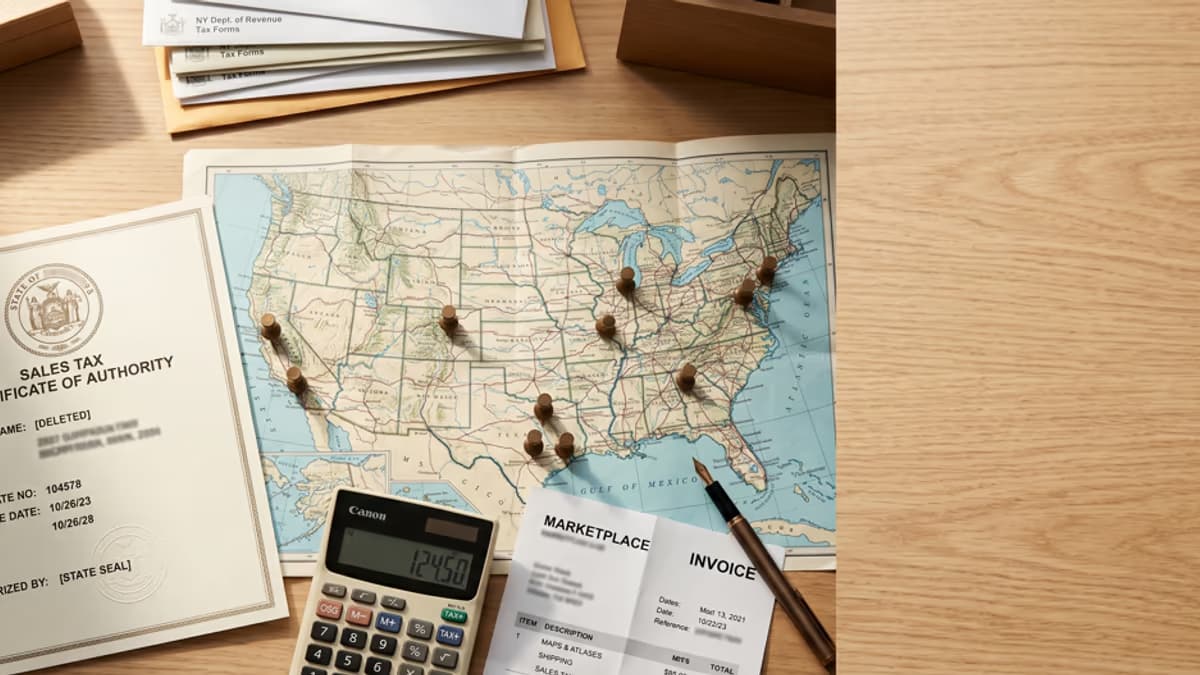
| Certificate of Authority | In some states, the name for the sales tax registration that authorizes you to collect tax | You collecting tax from customers |
| Certificate of Registration | Another state-specific name for the same collection registration | You collecting tax from customers |
Names vary by state. The key split is direction: permits register you to collect tax on sales, while a resale certificate exempts your purchases of inventory.
The order matters
In most states you cannot get a valid resale certificate without first registering for a sales tax permit. The permit gives you the registration number the resale certificate relies on. Register first, then buy tax free.
Ready to set up your business address?
See which US cities fit — about a minute, no card needed.
Do Online Sellers Need One? Nexus, Inventory, and Dropshipping
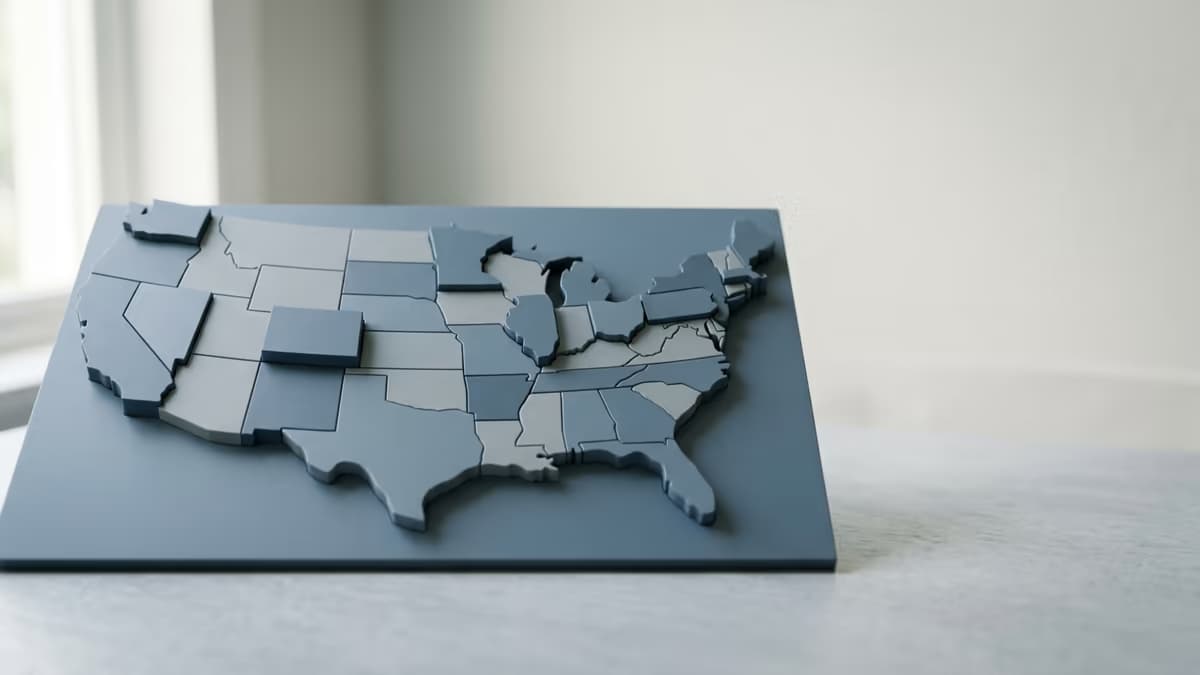
Selling online does not exempt you from any of this. What triggers the need to register is usually nexus, a connection to a state strong enough that the state can require you to deal with its sales tax. Storing inventory in a state, including inventory held in a fulfillment warehouse on your behalf, commonly creates that connection, and so does crossing a state's economic nexus threshold on sales volume.
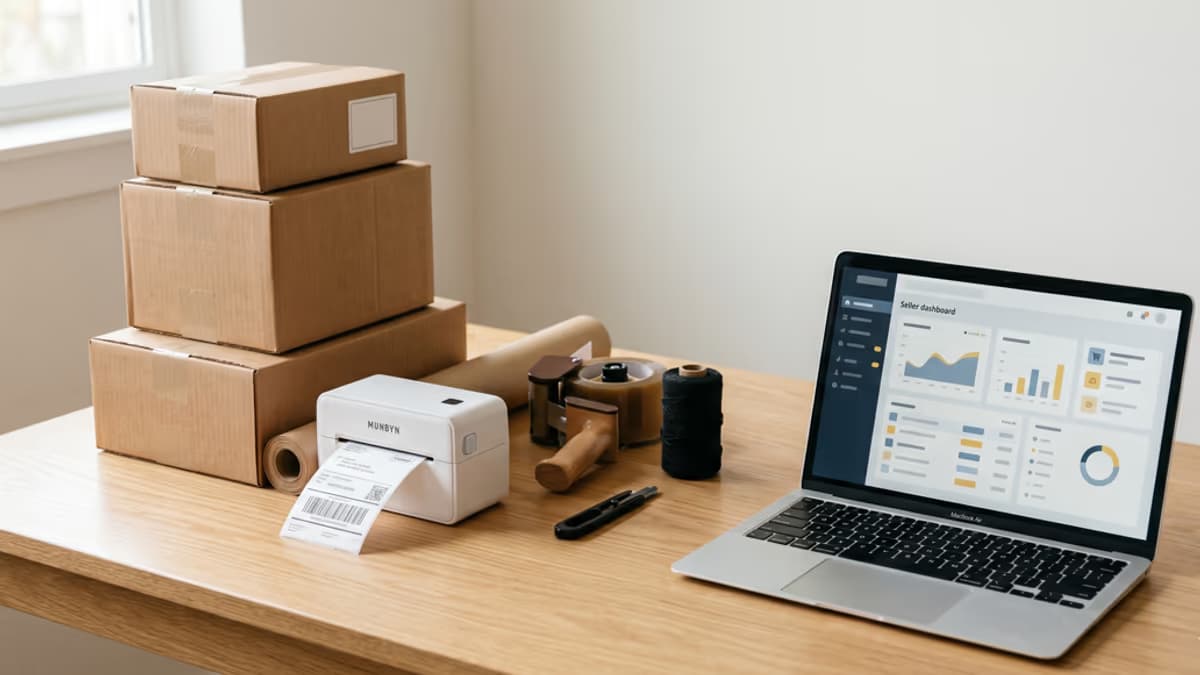
- Marketplace sellers may have tax handled by the marketplace for sales made through it, but purchases of inventory to resell are a separate question that a resale certificate addresses.
- Dropshippers sit in the middle of a supply chain, and whether a resale certificate is needed, and whose certificate the supplier will accept, depends on where each party has nexus. This is one of the trickiest cases.
- Sellers who store inventory in a fulfillment network often end up with nexus in several states at once, which multiplies where they register.
The through line is that a resale certificate follows registration, and registration follows nexus. Work out where you have nexus first, then handle the paperwork in those states.
How to Get One: Register for the State Sales Tax Permit First
The steps are linear in most states, and skipping the first one is the common mistake.
- 1Register for the sales tax permit in the state where you have nexus, which gives you a registration number.
- 2Complete the state's resale certificate form, or the multi-state uniform certificate where accepted, using that registration number.
- 3Give a copy of the completed certificate to each supplier you buy from for resale, and keep your own copy on file.
- 4Renew or update the certificate as the state requires, since some states expire or reissue them.
The address on the registration
Sales tax registration asks for a real commercial business address, not a P.O. box, and states generally expect it to line up with your EIN and formation records. Verify the address is deliverable and commercial before you register, so the application is not held up.
Which States Accept Out-of-State Resale Certificates, and Which Do Not
This is where remote sellers get caught. Not every state accepts a resale certificate issued by another state. A number of states, such as California and Florida, generally expect you to be registered in that state and to use its own certificate, rather than accepting one from your home state. That means a seller with inventory or nexus in several of these states may need to register separately in each.
There is a shortcut in many states. A multi-state uniform exemption certificate, issued by the Multistate Tax Commission, is accepted by a large group of states and lets you document resale purchases across them with one form rather than one per state. It is not accepted everywhere, so confirm each state's rule, but it removes a lot of duplicate paperwork where it applies.
Confirm the state's current rule
Which states accept out-of-state or uniform certificates changes, and each state's list of what counts is its own. Confirm the current rule with each state's department of revenue before you assume a certificate will be honored.
The Business Address Behind the Registration
A resale certificate is downstream of a sales tax registration, and that registration is where your business address does real work. States ask for the address of the business, and they generally want a genuine commercial street address that can receive mail, not a box that will not qualify and not a home address you would rather keep off public records. The address is also expected to line up with the address on your EIN and your state formation filings, since mismatched records slow applications down.
For a remote seller registering in several states, having one consistent, deliverable commercial address across those registrations keeps the paperwork aligned. Before you register, you can run the address through a free checker to confirm it is a real, deliverable commercial address rather than one that a state or the postal service will flag.
Recordkeeping, Good Faith, and Penalties
A resale certificate only protects a purchase if it is used correctly. Suppliers accept it in good faith, meaning they can rely on it for genuine resale purchases, but a certificate used to buy things you actually consume yourself, rather than resell, is misuse and can carry penalties and back tax. Keep copies of the certificates you issue and the ones you accept, since states expect both the buyer and the seller to hold documentation. Confirm renewal and recordkeeping rules with each state, because the details differ and change.
Not legal or tax advice. Sales tax rules vary by state and change often. Confirm current requirements with each state's department of revenue or a qualified professional.
Frequently Asked Questions
Not sure what you need?
Two short pages sort it out — what the products actually are, and which situation you're in.

save office
Published
I'm Henry, a hedgehog in a bow tie who explains the dull, scary parts of building and running a U.S. business.