Short answer
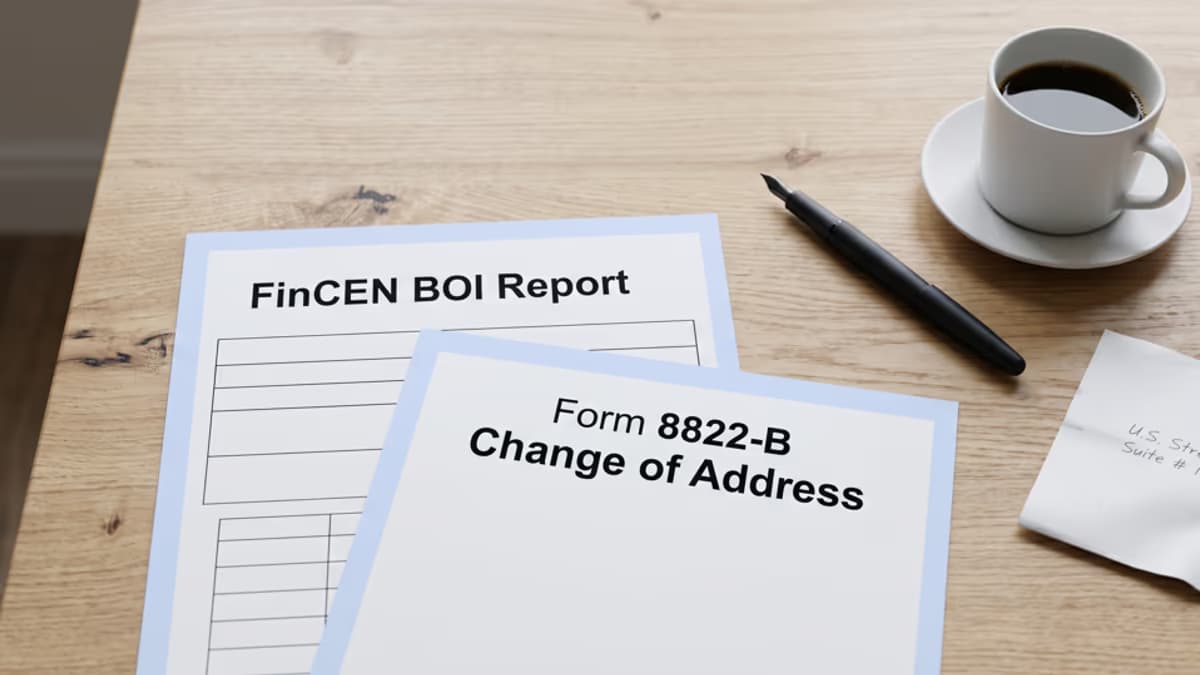
Under FinCEN's final rule of August 14, 2026, companies created in the United States are exempt from beneficial ownership reporting, even when every owner lives abroad. The rule now points at foreign reporting companies, meaning entities formed under another country's law and registered to do business in the US. That exemption used to be interim; the August 2026 rule made it final. A final rule still takes another rulemaking to change, so check FinCEN’s own BOI page before relying on any summary.
Key takeaways
- The Corporate Transparency Act's reporting rule has been rewritten repeatedly since 2024, which is why confident answers from last year are often wrong this year.
- In FinCEN's language, a foreign reporting company is an entity formed under another country's law, not a US company with foreign owners. A Delaware or Wyoming LLC is domestic no matter where its owners live.
- The exemption does not touch your other obligations: the EIN, the registered agent, Form 5472 for a foreign-owned single-member LLC, and state annual reports all still apply.
- If you filed a BOI report before the rule narrowed, there is nothing to withdraw. FinCEN says it plans to delete US-person information from its database in a single sweep, without asking you to request it and without telling you when it is done, though it says it will post a public notice once the sweep is finished.
Ask ten founders running a U.S. LLC whether they still need to file a beneficial ownership report this year, and you’ll get five different answers. At least two of them will be stated with total confidence and be wrong.
That’s not really their fault. It’s what happens when a federal rule gets rewritten three separate times in about eighteen months, while everyone downstream of it is still running on whichever version they happened to read first: a lawyer’s old blog post, a formation service’s FAQ page, a founder group chat from last spring.
How the Rule Got Smaller
Quick recap, because the history explains the confusion. The Corporate Transparency Act asked millions of small companies to report their real owners to FinCEN starting in 2024. Courts blocked the requirement, then unblocked it, flipping within days of each other at one point. FinCEN pushed the deadline back more than once while that played out. Then, in a move that mattered a lot more than most compliance news does, FinCEN excused domestic companies and U.S. persons from the requirement altogether and pointed the rule at foreign reporting companies instead. The direction since has stayed consistent: fewer filers, less paperwork, narrower scope. That’s the policy shift sitting behind this week’s headlines too.
Here’s the part worth sitting with. The question that actually matters isn’t what the rule says. It’s how you find out what’s true on the day you’re reading this.
Ready to set up your business address?
See which US cities fit — about a minute, no card needed.
What Foreign Actually Means Here
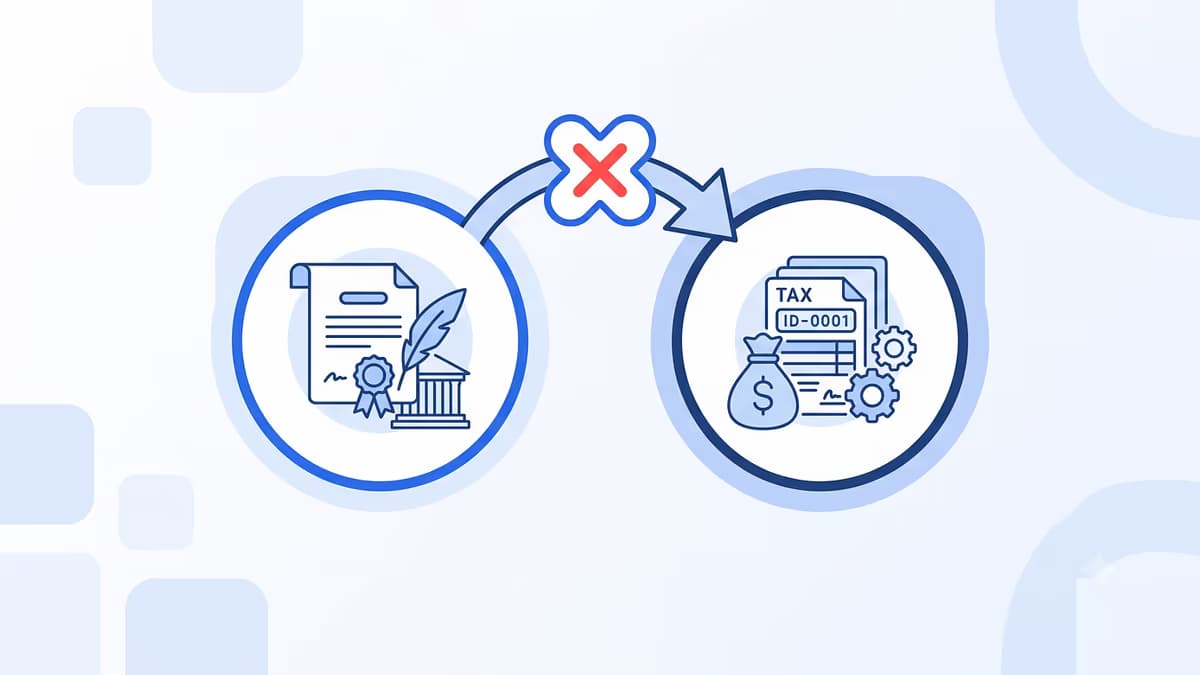
The detail that trips up a lot of non-resident founders is the word foreign. In FinCEN’s language, a foreign reporting company isn’t a company with foreign owners. It’s a company formed under the law of another country that’s registered to do business in the U.S. A Delaware or Wyoming LLC is a domestic reporting company no matter who signed the operating agreement or where they live. Own a U.S. LLC from anywhere in the world, and the entity itself is still domestic under this rule. That single distinction is why a lot of non-resident owners who assumed they were squarely in scope have, under the current guidance, been let out of it.
Worth saying plainly, so this is not read as more than it is: it doesn’t touch your other obligations. An EIN, a registered agent, Form 5472 if you’re running a foreign-owned single-member LLC, your state’s annual report. Beneficial ownership reporting was one item on that list, and it happens to be the one getting lighter.
The Honest Limit of Any Answer Written Today
I’d normally tell you exactly where that leaves you. For most of 2026 that was genuinely hard to do, because this rule changed shape more times than almost any other compliance requirement small businesses deal with. In August 2026 it stopped: FinCEN issued a final rule rather than another interim one, published on August 14 and effective the same day, and the exemption for companies created in the United States is now written into the regulation itself. The habit is still worth keeping, because a final rule is not a permanent one: it takes another rulemaking to change, and rulemakings happen. Check FinCEN’s own site directly, or ask whoever handles your filings, before assuming last year’s answer still holds.
One more thing the headlines have not caught up with. The small-business lawsuit that tried to strike down the whole law is still sitting at the Supreme Court, and on August 21, 2026 the government filed its answer in National Small Business United v. Bessent (No. 25-1201). Its position: because the final rule exempts domestic companies, and every business behind that lawsuit appears to be domestic, the rule "appears to have mooted this case," and the Court should decline to hear it. That is the government’s argument, not a ruling, and the Court has not acted on it as I write this. But it shows how far the ground has moved. A year ago the live question was whether Treasury would keep the domestic exemption when it finalized the rule. Now the government is telling the Court there is nothing left to enforce against a company formed in the United States.
That habit is really the whole story here. The BOI form itself was never the burden. It took most people twenty minutes and cost nothing to file through FinCEN’s own portal. The burden was the uncertainty: not knowing whether you were required to file, whether a court had paused it that week, whether getting it wrong still had teeth or none at all. Easing the rule doesn’t just remove a form. It removes some of the background hum of not knowing, which for a lot of solo founders was the more expensive part.
Three Things to Do Before You Take Anyone's Word
If you’re trying to figure out where you stand right now, three things are worth doing before you take anyone’s word for it, including mine. Read FinCEN’s current BOI guidance directly, not a summary of a summary. Note whether your company was formed in a U.S. state, because that fact decides domestic versus foreign, not your passport. And if you already filed before any of this changed, don’t assume you owe anyone an update. A later exemption doesn’t usually require you to un-file something you filed in good faith.
The rule got smaller. The habit of double-checking it should stay exactly the same size.
Not legal or tax advice. Confirm with a CPA.
Frequently Asked Questions
Sources & References
Primary sources this guide is based on.
- 1Federal Register (govinfo.gov) · Beneficial Ownership Information Reporting Requirement Revision, final rule, 91 FR 52508 (effective August 14, 2026) (accessed August 26, 2026)
- 2Supreme Court of the United States · National Small Business United v. Bessent, No. 25-1201, docket and brief of federal respondents in opposition (August 21, 2026) (accessed August 26, 2026)
- 3FinCEN · Beneficial Ownership Information Reporting (accessed August 26, 2026)
Not sure what you need?
Two short pages sort it out — what the products actually are, and which situation you're in.

save office
Published · Updated
I'm Henry, a hedgehog in a bow tie who explains the dull, scary parts of building and running a U.S. business.