Why Banks Reject Your Registered Agent Address
In this video
- What a registered agent address is actually for: lawsuits and state notices
- Why banks flag it like a PO box during KYC
- The address type banks expect instead
Gemini Summary
A registered agent address exists only to receive legal papers - lawsuits and state notices - so banks treat it like a PO box during KYC and reject it. The video explains why founders pass state filing but fail bank onboarding, and what address type to use instead.
Notes
A non-resident founder asked if a registered agent address works as a business address for the bank. Short answer: no. A registered agent address exists for legal papers only — lawsuits and state notices.
During KYC, banks flag it the same way they flag a PO box — so you pass the state filing but fail the bank application. The fix is a real operational business address.
Related guides
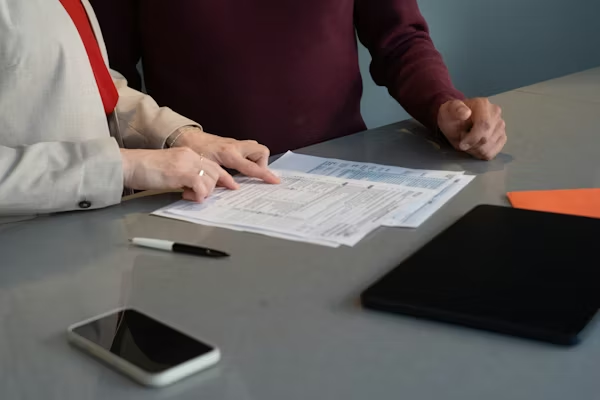
Registered Agent Address vs Business Address, What LLC Owners Need to Know
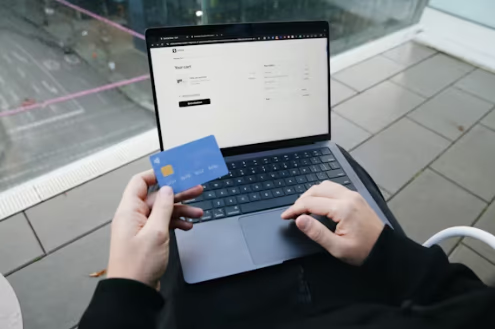
Opening a Business Bank Account? Here Is Every Address You Will Need
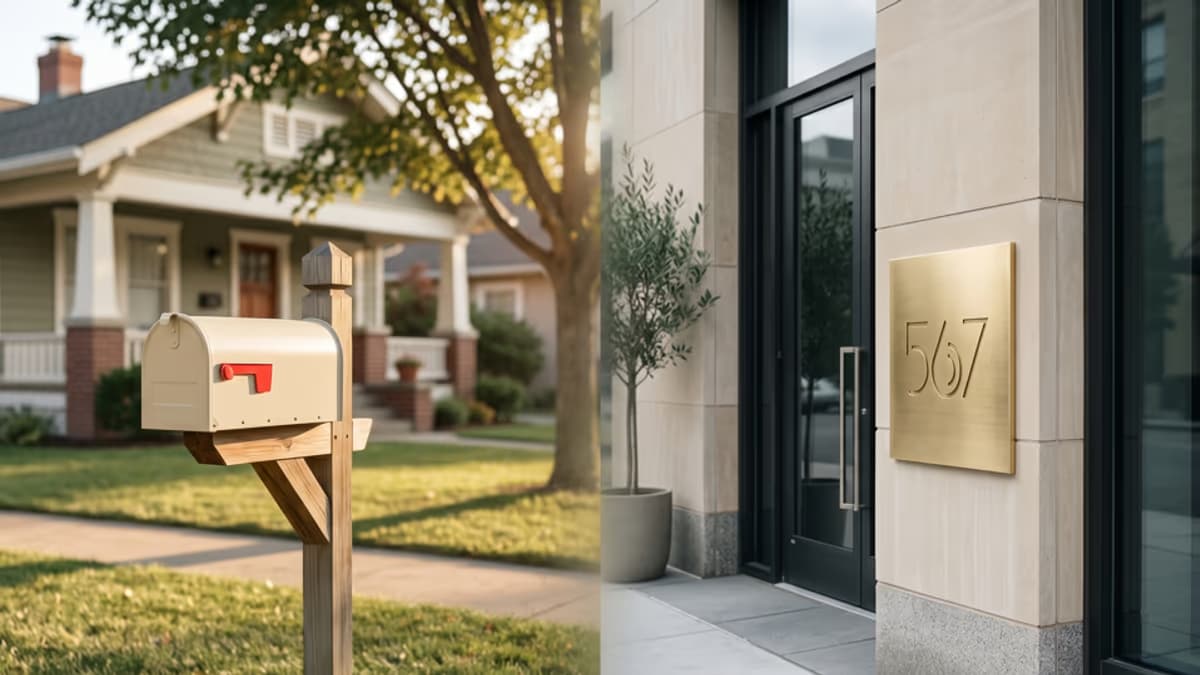
What Is a CMRA Address? How to Check Any Address Free (2026)

Can I Use a UPS Store Mailbox for My LLC? Yes for Mail, No for Your Agent
More videos
 0:47Henry Explains
Three First-Year Costs a Solo Founder Can Skip: Office Rent, a Formation Lawyer, Early Hires
Three first-year costs a solo founder can skip: an office lease, a lawyer for the LLC filing, and early hires. The clip names a substitute for each one.
 0:32Henry Explains
The Stripe Field That Trips Up Non-US Founders: the Address
The address field in Stripe onboarding is a common sticking point for non-US founders: a home address carries risk, a P.O. Box gets flagged, and the form wants a real street address.
 0:55Henry Explains
A US Virtual Office in Three Numbers: $14.99, $1.99, and $39.99
Three numbers cover the Silicon Valley price list: the $14.99 address tier, $1.99 per opened and scanned envelope, and the $39.99 Virtual Office tier with 60 scans included.
Reserve your US business address
No setup fees. Cancel anytime.
Get your address