Short answer
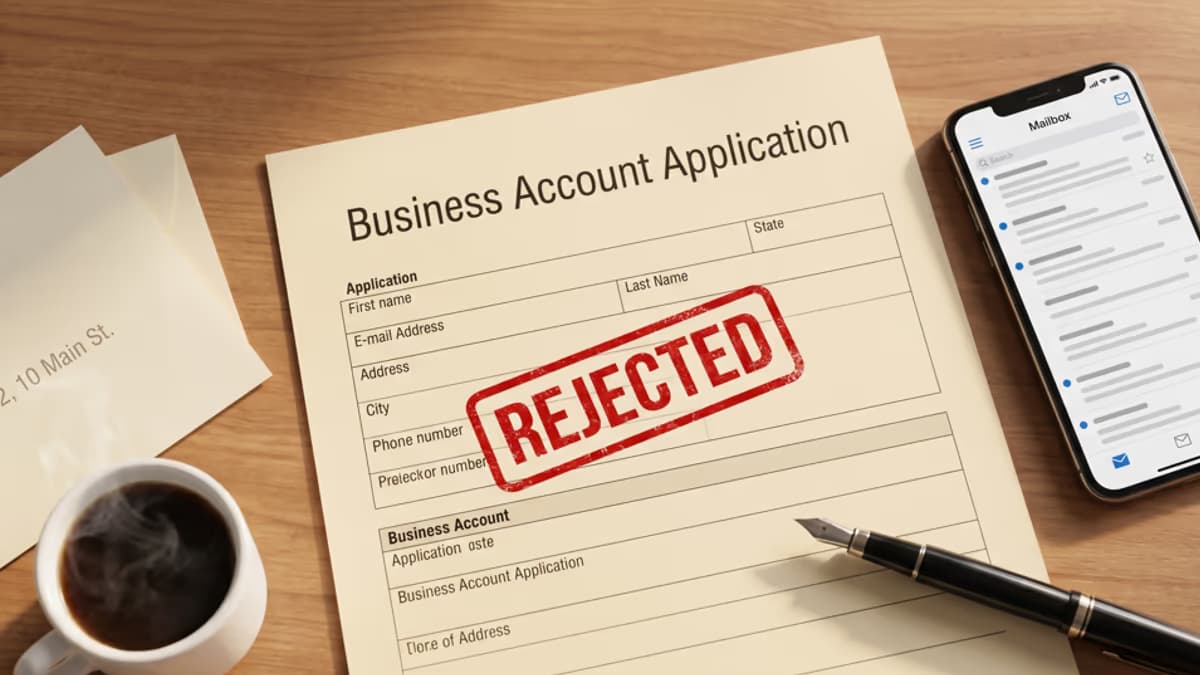
A virtual office gives your business a real US street address with mail handling and a professional presence, without a lease. It activates in about 24-48 hours and is used for LLC filings and client-facing documents. The bank application is the one to check first, because it asks for a physical address as well as a mailing one.
Key takeaways
- A virtual office gives you a real US business address with mail handling and no physical lease. Providers differ in what else they bundle, and some add phone answering or meeting rooms while others sell the address alone.
- Activation typically takes 24-48 hours, with no lease, deposit, or build-out required.
- Setup involves picking a city and completing mail authorization paperwork. After that, the address is ready for LLC (Limited Liability Company) filings and client-facing documents. Bank applications are the exception, because they ask for a physical address on top of a mailing one.
- A virtual office fills mailing and filing fields. It does not fill the slots that ask where a person or a business physically is, which is why bank onboarding, Google Business Profile, the registered agent role, and premises permits each have a separate answer.
Who this is for
- Solo founders and remote-first teams who need a credible US business address.
- Founders comparing virtual office, coworking, and traditional lease costs for Year 1.
- International founders forming a US LLC who need a deliverable US street address.
A virtual office gives your business a real street address and mail handling, without the cost of renting a physical space. What else comes with it depends on the provider. For remote businesses and solo founders, it is the fastest way to establish a professional presence, form an LLC, and look like a real business from day one.
How Does It Work in Practice?
When you sign up for a virtual office, you receive a real street address that you can use for your website, business cards, and official registrations. Mail sent to that address is received on your behalf, and you can have it either scanned and emailed, forwarded to another location, or held for pickup.
Beyond the address itself, providers differ in what they bundle. Some sell live call answering, where a receptionist picks up using your company name and then transfers, takes a message, or routes to voicemail. Some sell conference room access by the hour. Others sell the address and the mail handling alone and leave the rest to you, which is worth checking before you compare prices, because the same monthly figure can mean quite different things.
Who Benefits the Most from Virtual Offices?
Startups and solo entrepreneurs gain instant credibility with a recognized business address, often in premium locations, at a fraction of the cost. Remote-first companies use virtual offices to maintain a centralized business identity while their team works from anywhere.
Small business owners across the U.S. use virtual offices to look established without paying for office space they do not need. This is especially valuable for LLC formation and for building trust with clients in competitive markets. Bank applications are a separate question, and the section below on where a virtual office does not work explains why.
Freelancers and consultants use virtual offices to keep their home address private while presenting a professional front. This separation between personal and business addresses can also support cleaner recordkeeping for taxes and legal correspondence.
Ready to set up your business address?
See which US cities fit — about a minute, no card needed.
Virtual Office vs. Traditional Lease: The Trade-offs
A virtual office plan typically costs a small fraction of a traditional lease in major U.S. cities. Beyond rent, you also eliminate utility bills, furniture expenses, cleaning services, and long-term lease commitments.
Where a Virtual Office Does Not Work
Everything above is what a virtual office does well. There is a second list. A virtual office address is a mailing and filing address, which means it does not stand in wherever a rule asks specifically about where a person is or where a business physically operates.
Banks are the first and clearest. The federal customer identification rule makes a bank collect one address that locates the company, and on the applications we went through, the mailing field next to it is the bank's own rather than the rule's. What happens next differs by bank rather than by category: Mercury refuses a virtual office as both its legal and its physical address, Relay refuses it as the operating address, Wells Fargo's business deposit account requirements page says a physical address is required and that virtual addresses are not acceptable, and Bluevine's published requirements say nothing either way. Which field is which, bank by bank, is in every address a business bank account asks for.
Google Business Profile is the second, and Google says it plainly. Its guidelines state that if your business rents a physical mailing address but does not operate out of that location, also known as a virtual office, that location is not eligible for a Business Profile. The same guidelines then name two ways back in. An office in a co-working space can be listed if it maintains clear signage, receives customers at the location during business hours, and is staffed during business hours by your own staff rather than the building's. A service-area business, one that travels to its customers, has the lighter requirement: it only has to show that the office is staffed during business hours. Google Business Profile virtual address verification works through what staffing has to look like.
The third group is the slots that look like addresses but are really legal roles. A registered agent has to be reachable at a street address during business hours to accept service of process, which is a different job from receiving mail, so the address has to be one where a person is actually present. Registered agent address vs business address sets out the distinction, and save office does not sell registered agent service in any case.
Licensing is the fourth. If a regulator has to inspect a real space, such as a commercial kitchen or a treatment room, before you can operate, then the permit is asking about a building rather than about where your mail goes. Food business address limits works through the most common version. A certificate of occupancy is a different animal. It is usually held by whoever operates the space rather than something a remote business applies for, which is why it is not the usual blocker, and certificates of occupancy and virtual offices covers when it does come up. The treatment-room version has two common forms: a veterinary practice, where the registration attaches to the clinic an agency can inspect, and a home health agency, where Medicare enrollment asks for a location a surveyor can visit.
The fifth is a label rather than a rule. Addresses are sometimes marketed as compliant with a particular regime. HIPAA, the Health Insurance Portability and Accountability Act, is the usual one. An address is not something HIPAA certifies, because the law governs how protected health information is handled rather than where mail is delivered. Therapy private practice addresses is the piece that comes up most in that field.
Cost is the sixth, not because the monthly price is high but because the monthly price is often not the whole price. Add-ons are where plans diverge, and the ones worth asking about before you sign are in the hidden fees in virtual office pricing.
Whether that makes a virtual office right for you depends on which list your own address fields fall into. The useful question is which of them are mailing fields and which are physical ones, because only the first group is what this kind of address exists to fill.
How to Choose the Right Provider
Providers vary widely in address quality, mail handling, and lease-compliance support. When evaluating providers, start with the address itself, since clients and partners often check it. Then look at mail handling reliability, transparent pricing, month-to-month terms, and, if you need meeting rooms, whether they are part of the plan or billed by the hour.
Look for providers that offer month-to-month plans, digital mail management dashboards, and responsive customer support. If you're forming an LLC, confirm that the address can be used for state business registration. This varies by provider and state.
Frequently Asked Questions
Sources & References
Primary sources this guide is based on.
- 1Google Business Profile Help · Guidelines for representing your business on Google, virtual office, co-working and service-area eligibility (accessed August 10, 2026)
- 2Electronic Code of Federal Regulations · 31 CFR 1020.220, customer identification program requirements for banks (accessed August 10, 2026)
- 3U.S. Government Publishing Office · 68 FR 25090, final rule declining to require more than a single address for a customer (accessed August 10, 2026)
Not sure what you need?
Two short pages sort it out — what the products actually are, and which situation you're in.
Watch this in 60 seconds
Henry covers the same ground on video.