Key takeaways
- Investor diligence often cross-references the address on the LLC formation document, the bank account, and the pitch deck for consistency.
- A credible commercial address in the right city removes the home-address signal that quietly undermines early-stage credibility.
- Strategic city picks (Delaware for legal, NYC for finance, SF for tech) can signal intent to investors and customers early in diligence.
Who this is for
- Founders preparing for the first investor outreach or accelerator application.
- Solo founders still using a home address on early customer invoices.
When launching a startup, your business address appears on your LLC filing, bank applications, client contracts, and marketing materials from day one. Choosing the right address early prevents compliance issues, protects your privacy, and establishes the credibility that investors, banks, and enterprise customers expect.
Setting up your LLC? See your US address options — no card →
The Investor Perception Problem
Angel investors and venture capital firms (VCs) conduct due diligence before writing checks. Part of that process includes verifying your business registration and address. A residential address doesn't disqualify you, but it can raise questions about your stage and setup.
Investors evaluate dozens of startups simultaneously, and small details shape their confidence. A business registered at a recognized commercial address in a major metro signals that the business is set up properly. It suggests the founder has thought beyond the product to the basic infrastructure of running a company.
Building Customer Trust from Day One
Many business-to-business (B2B) customers verify the companies they work with before contracting. A quick search of your address can either reinforce confidence or trigger hesitation. When your address points to a recognized business center, it suggests stability, something customers weigh when picking a new vendor.
This matters most for service-based startups: software-as-a-service (SaaS) companies selling to enterprises, agencies, and any business handling sensitive client data or large budgets.
Ready to set up your business address?
See which US cities fit — about a minute, no card needed.
The LLC Formation Connection
Nearly every U.S. state requires LLCs to maintain a registered agent with a physical street address in the state of formation. P.O. boxes are not accepted. Most states also ask for a business address on the formation document, which is part of the public record. If you're working from home and list your personal address, that address goes on public file with the Secretary of State.
A virtual office can serve as the public business address on the filing, keeping your home address off the Secretary of State record. This is particularly valuable for home-based founders who want to project professionalism without exposing their personal residence on public filings.
Strategic Location Selection
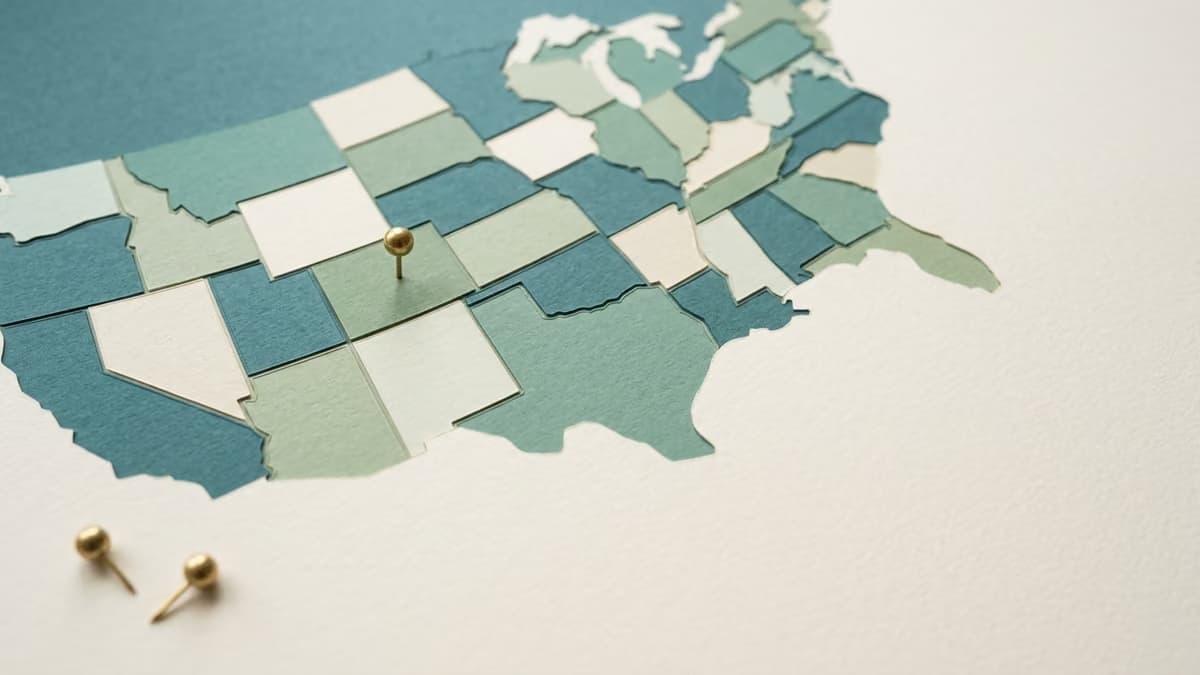
Where your business address sits carries weight, even if your team works remotely. A tech startup with a San Francisco or Austin address inherits some of the credibility that comes with the location. A finance-focused startup might choose a New York address. For the Los Angeles market, addresses in Santa Monica, Beverly Hills, or Century City carry weight in that market.
Virtual offices let you choose strategically. You're not limited to where you can afford rent. You can select an address that aligns with your brand positioning and target market without the rent commitment.
Getting Started as a New Founder
If you're in the early stages, here's a practical sequence: first, choose your state of formation. For example, Delaware tends to be popular for startups seeking investment, though your home state may be simpler. Next, secure a virtual office address in your operational market. Then, file your LLC using that address, apply for your Employer Identification Number (EIN), and open a business bank account, all using your new professional address.
The entire process can typically be completed in under two weeks.
Frequently Asked Questions
Not sure what you need?
Two short pages sort it out — what the products actually are, and which situation you're in.
Watch this in 60 seconds
Henry covers the same ground on video.